Museum
The Face of a King: Encountering the Mask of Agamemnon in Athens at Greece’s National Archaeological Museum
There are moments in travel when history ceases to feel distant—when it stands before you, quiet and undeniable.
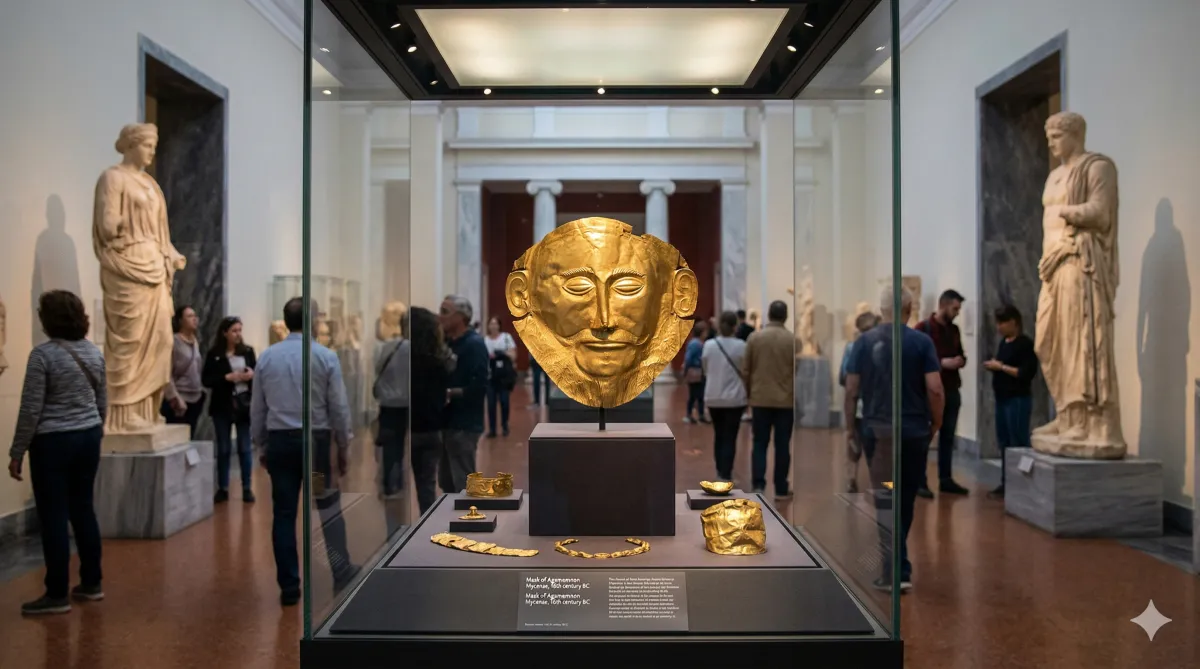
At the National Archaeological Museum in Athens, that moment arrives in gold.
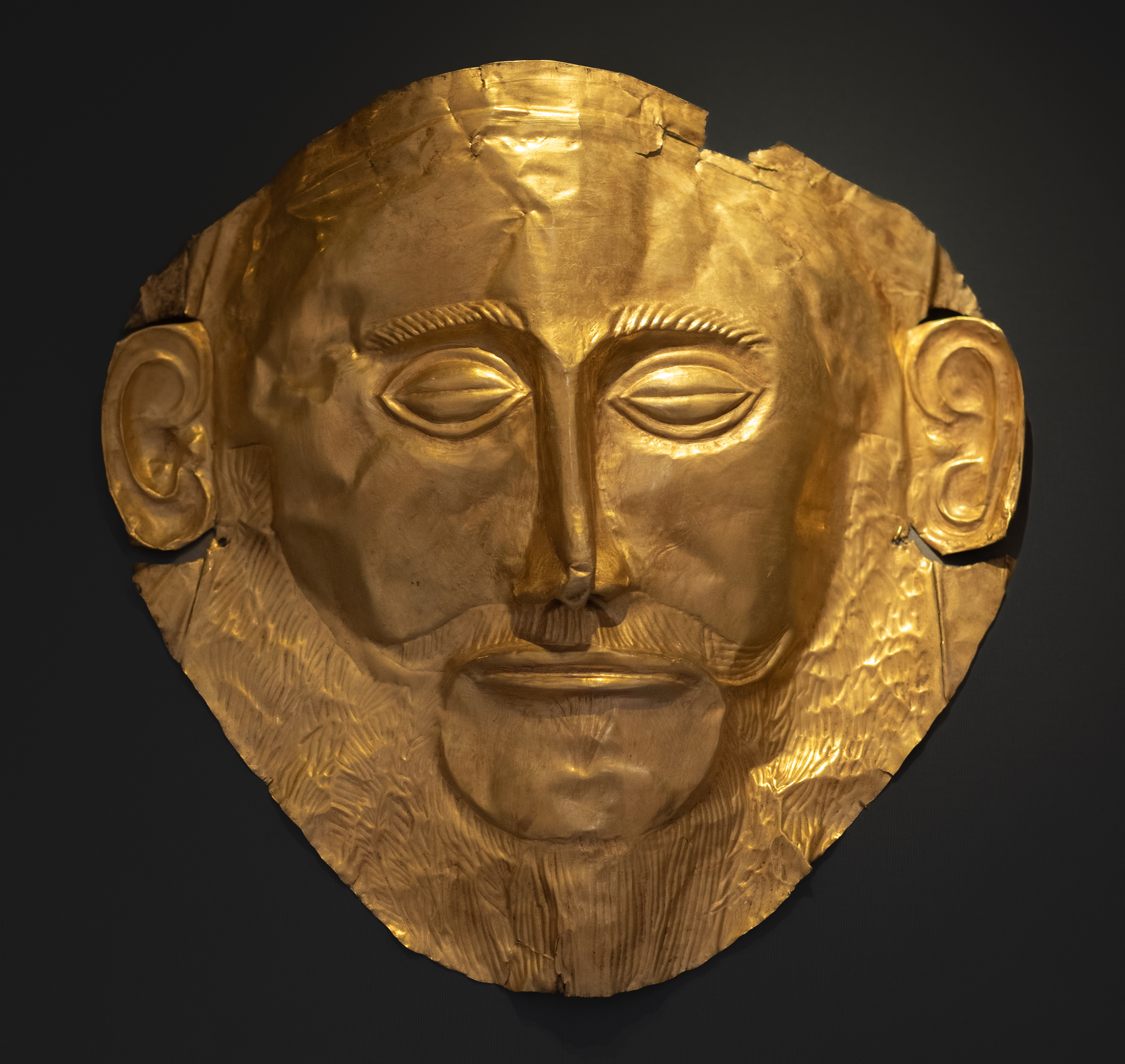
Behind glass, softly illuminated, rests the Mask of Agamemnon—a funerary face hammered more than 3,500 years ago, its features both serene and arresting. It is smaller than most expect, yet impossible to ignore. You find yourself leaning closer, drawn not only by its craftsmanship, but by the weight of the story it carries.
This is not simply an artifact. It is an encounter.
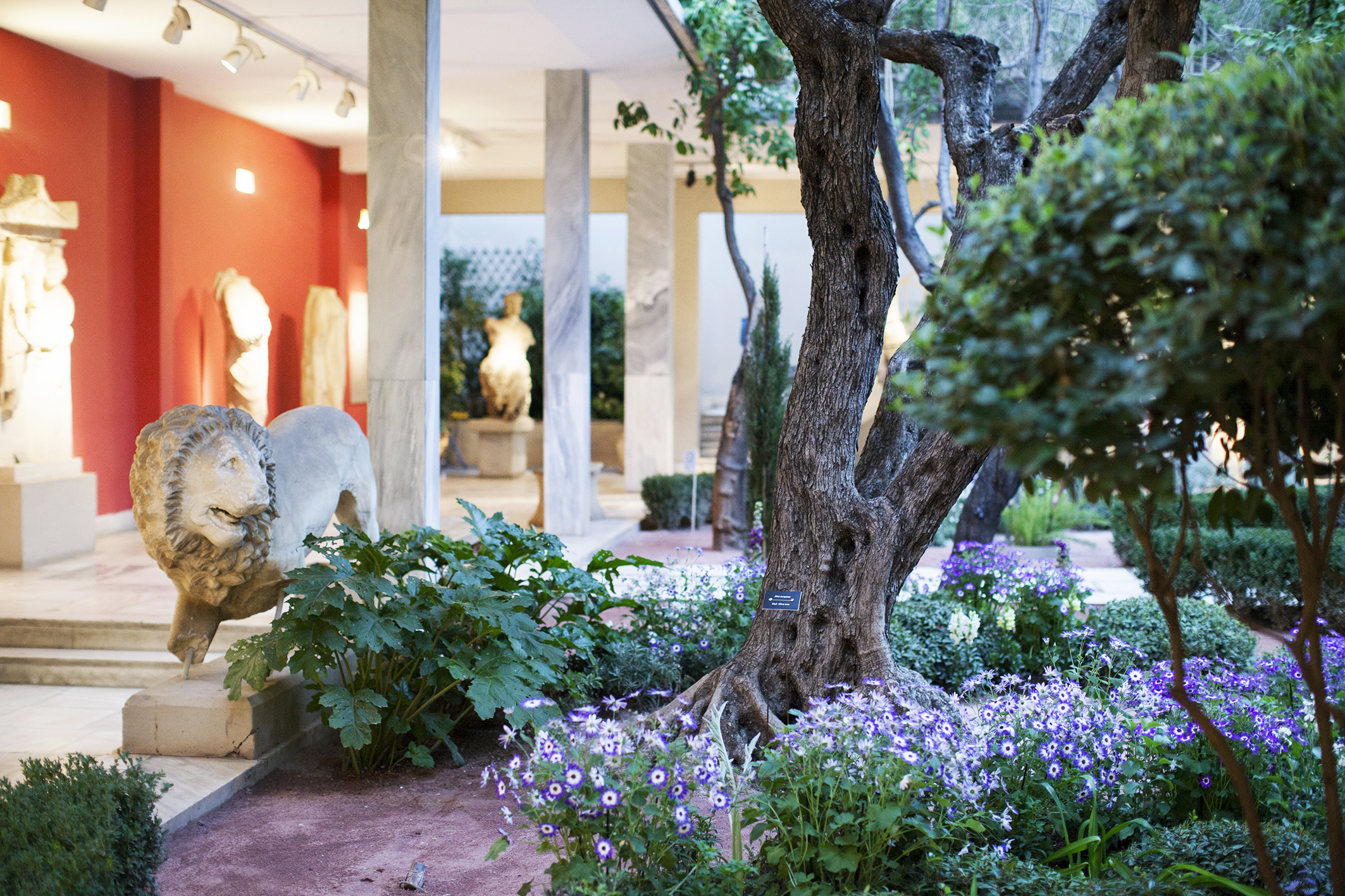
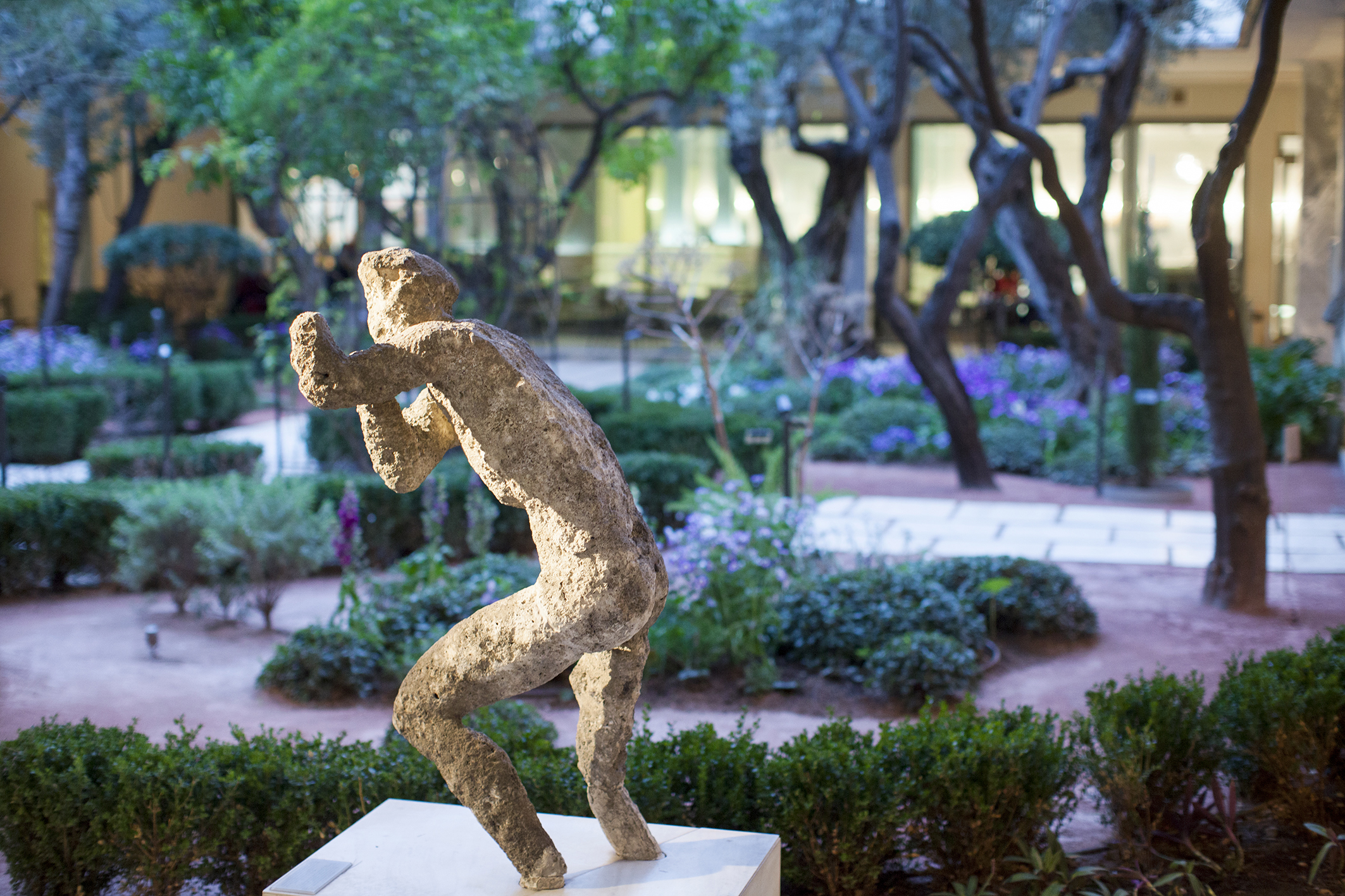
Housed in a grand neoclassical building on Patission Street, the National Archaeological Museum is Greece’s most important repository of antiquity, home to more than 11,000 objects spanning millennia—from Neolithic tools to masterpieces of Classical sculpture.
Yet for many visitors, it is the Mycenaean collection—and this single, unforgettable mask—that defines the experience.
Discovered in 1876 by Heinrich Schliemann at Mycenae, the mask was boldly declared to be the face of Agamemnon, the legendary king of Homer’s Iliad. The claim, we now know, is almost certainly incorrect—the artifact predates the Trojan War by several centuries. And yet the name endures, because it captures something deeper than historical accuracy: the enduring pull of myth.
Standing before it, that distinction hardly matters.
The almond-shaped eyes, the carefully worked beard, the quiet symmetry of the face—all suggest reverence, power, and an attempt to preserve identity beyond death. It is both intensely personal and profoundly symbolic. You are not simply looking at an object; you are looking at how an ancient civilization understood legacy, mortality, and remembrance.
And this is where the museum excels.
Rather than presenting isolated masterpieces, it allows you to move through the evolution of Greek civilization—room by room, era by era—each gallery
building context for the next. The Mycenaean gold, including other funerary masks and burial objects, reveals a world of wealth and ritual. Nearby, the enigmatic Antikythera Mechanism, often described as the world’s first computer, offers a glimpse into ancient scientific ingenuity.
Further on, the powerful bronze figure known as Zeus or Poseidon, caught mid-motion, embodies the perfection of Classical form, while works like the Artemision Jockey and the serene Kouroi statues trace the artistic evolution toward naturalism and grace.
As you move through the museum, what unfolds is not a single story, but a succession of civilizations layered one upon another. The earliest galleries reveal the stark beauty of Cycladic figurines—minimalist marble forms that feel strikingly modern despite their Bronze Age origins. From there, the world of Mycenaean Greece emerges in gold and ritual: intricately worked jewelry, ceremonial vessels, and burial objects that speak to both wealth and belief in an afterlife. The museum’s vast collection of Attic pottery, particularly the black-figure and red-figure vases, offers something more intimate—scenes of daily life, mythology, and celebration rendered with remarkable narrative detail, transforming utilitarian objects into storytelling canvases.
Moving forward in time, the Archaic and Classical sculptures—kouroi and korai, then later more naturalistic forms—trace the Greek pursuit of idealized human beauty, while bronze masterpieces capture motion and tension with astonishing vitality. Even the smallest objects—engraved seals, painted ceramics, fragments of fresco—contribute to a vivid sense of how these civilizations lived, worshipped, traded, and imagined their world.
And yet, for all its breadth, the museum never loses its sense of intimacy.
The National Archaeological Museum is not simply a place to view artifacts. It is where Greece’s past gathers with clarity and presence, offering visitors a deeper understanding of the civilizations that shaped the Western world.
Plan your visit and explore the collection here: www.namuseum.gr/en/