Historic Garden
Château de Villandry: France’s Most Remarkable Renaissance Gardens
In the Loire Valley—where châteaux are plentiful—it takes something extraordinary to stand apart.
At Château de Villandry, that distinction belongs not to the house, but to the gardens.
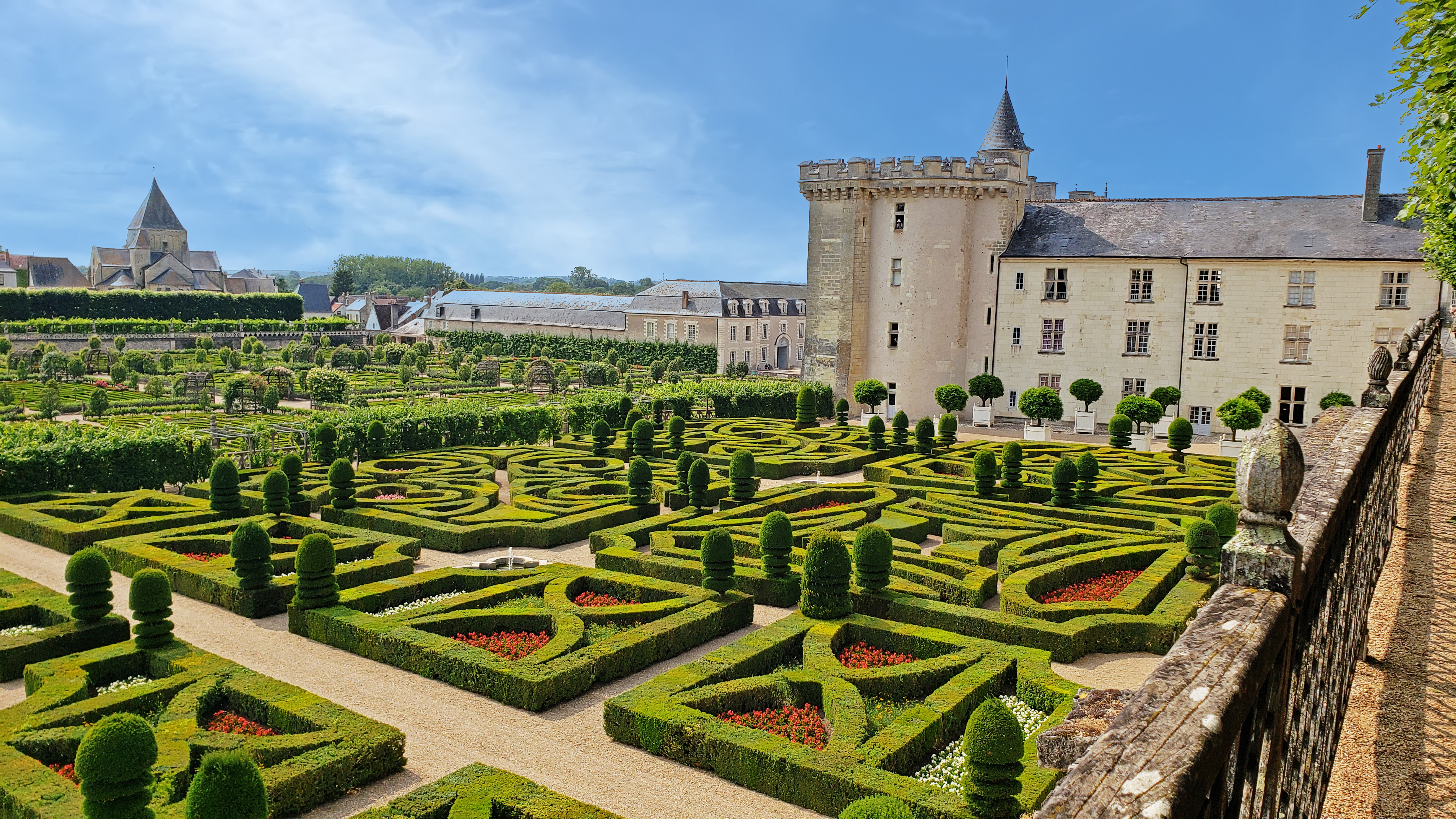
From the moment you enter, it becomes clear that this is not a landscape designed simply for beauty. It is a series of carefully structured spaces, each with its own purpose, symbolism, and visual impact—best understood not just by walking through them, but by seeing them from above.
Start at the château itself.
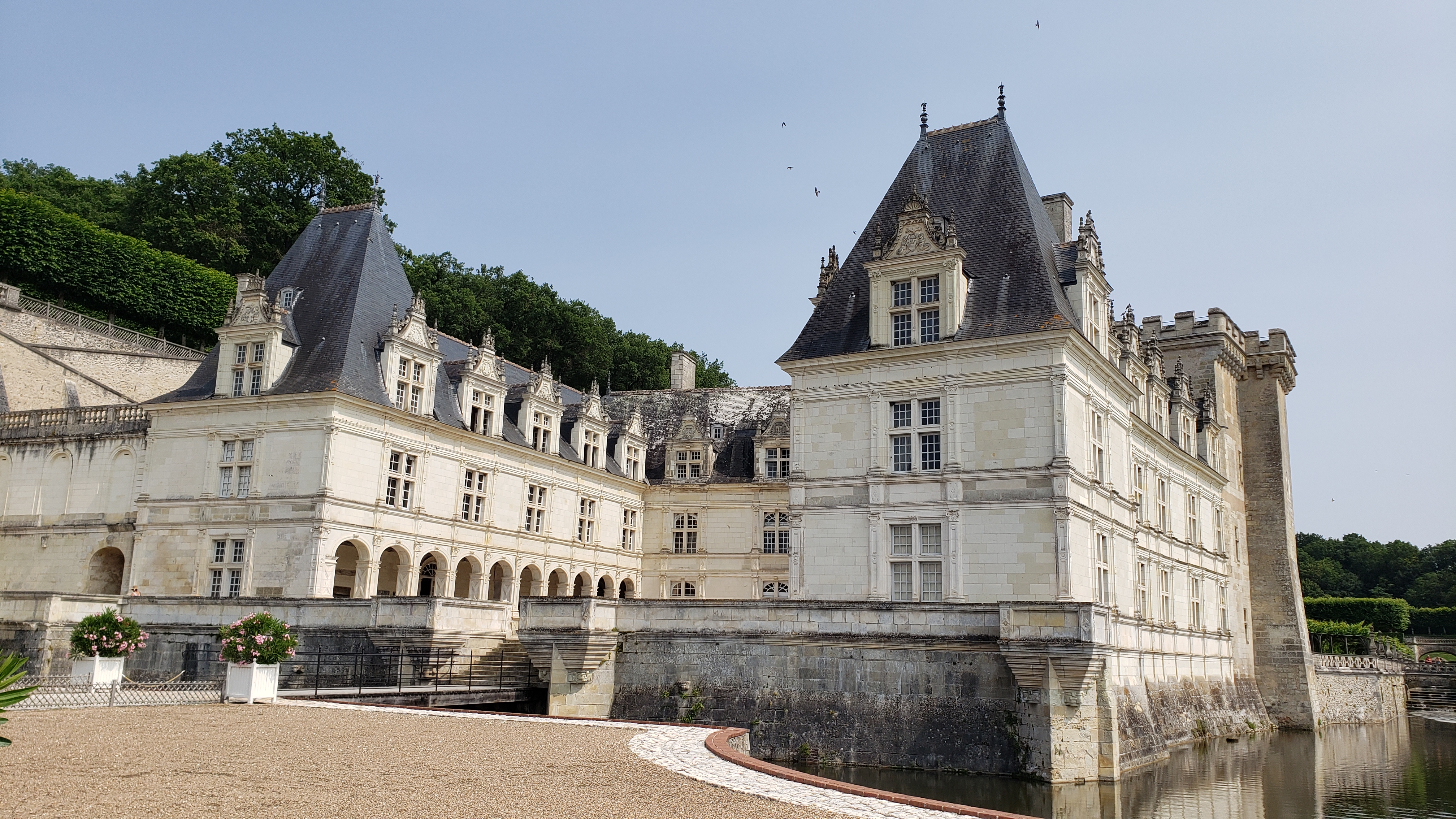
A visit typically begins inside the 16th-century residence, where furnished rooms provide context for the estate and access to the upper floors. The key reason to go upstairs is the view: from the windows, the gardens reveal their full geometry—precise, symmetrical, and intentionally designed to be read almost like a tapestry.
Then step outside and descend into the gardens.
The experience unfolds across six distinct terraces, each offering something different:
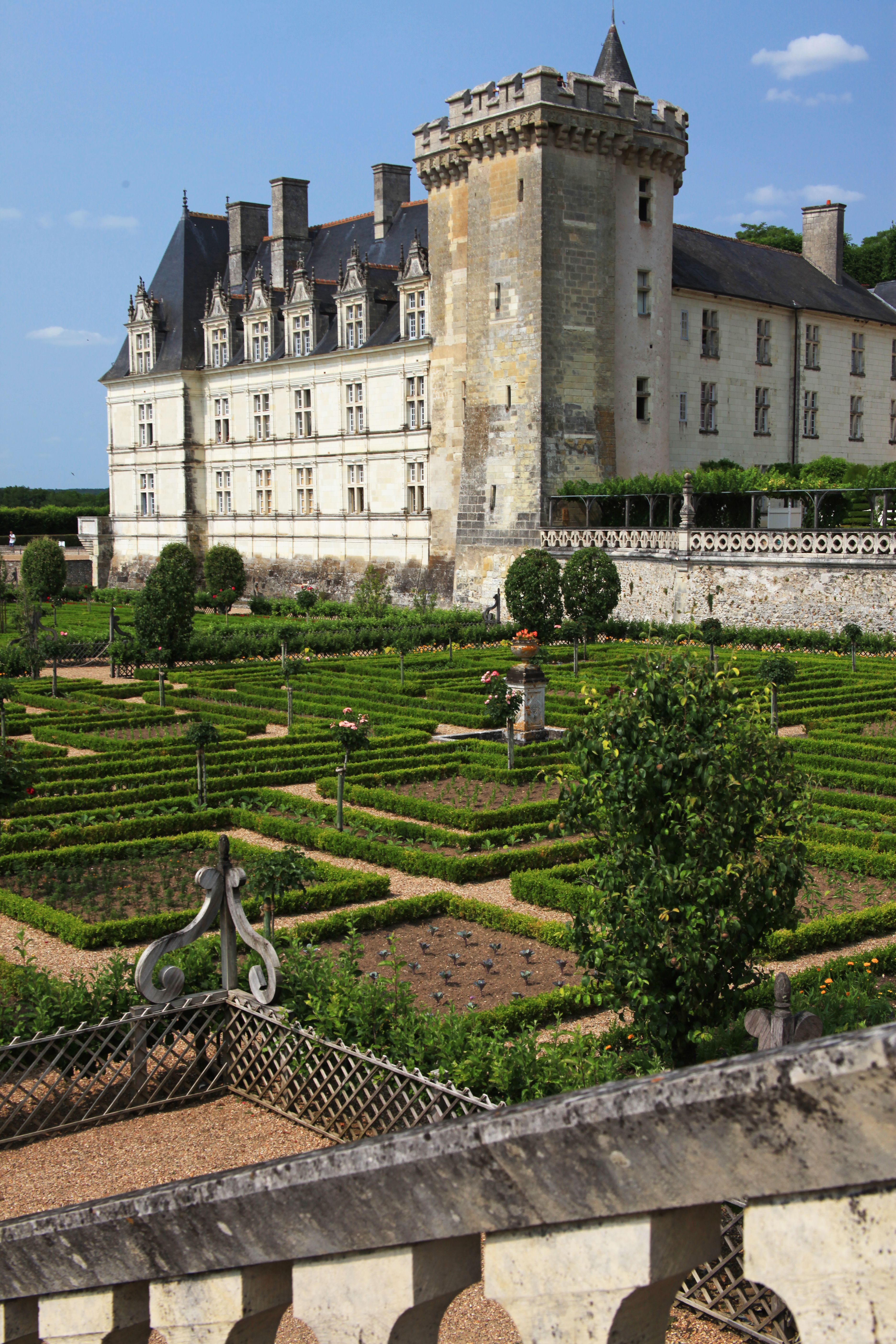
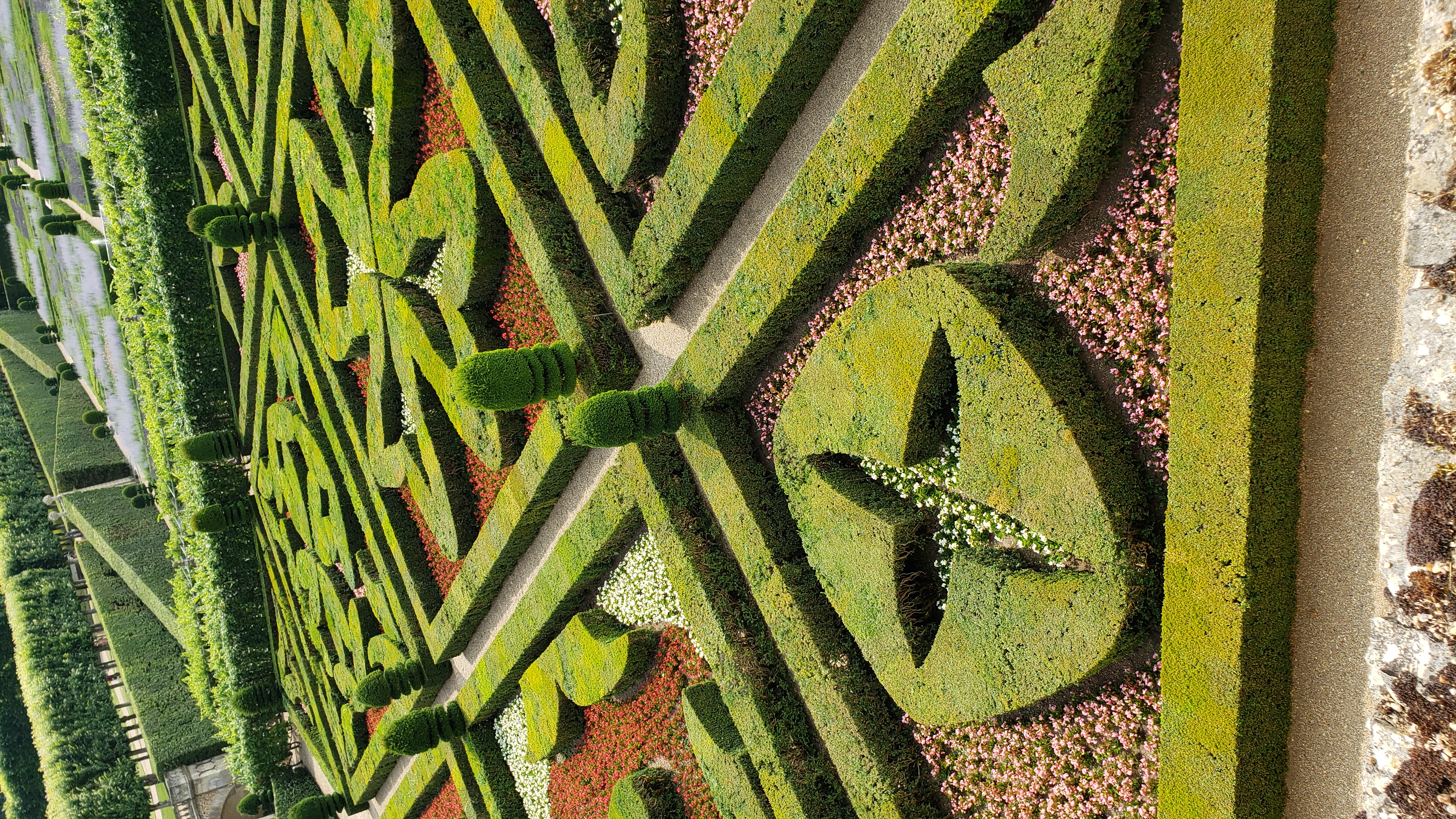
The Ornamental (Love) Garden is the most visually striking, divided into quadrants that represent different types of love—tender, passionate, fickle, and tragic—expressed through shaped hedges and seasonal plantings.
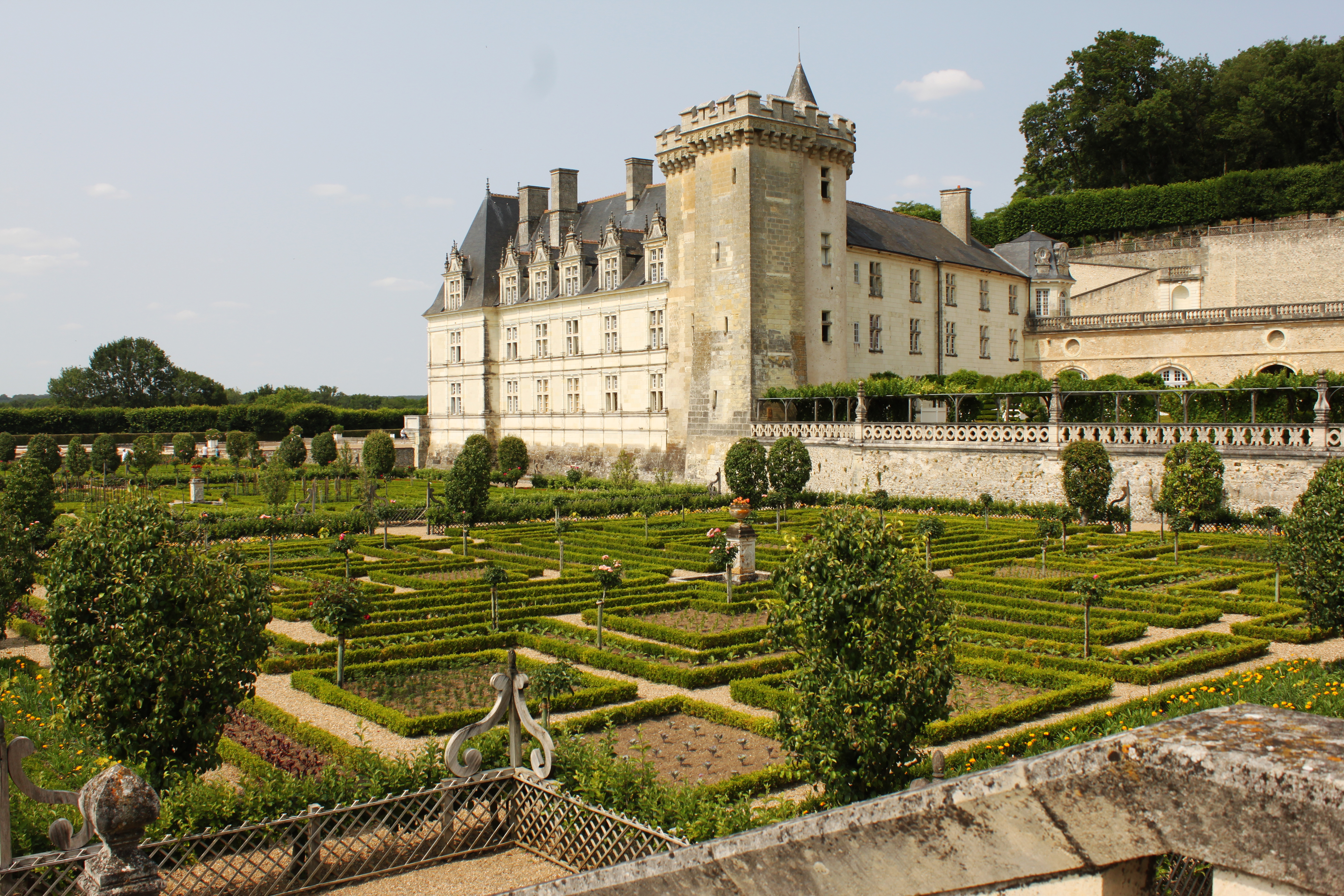
The Kitchen Garden (Potager) is equally compelling, laid out in geometric beds filled with vegetables, herbs, and flowers. It is both functional and decorative, changing dramatically with the seasons.
The Water Garden provides contrast—a quieter, open space centered on a reflective pool, designed for pause rather than pattern.
The Herb Garden and Maze offer smaller-scale exploration, with aromatic plantings and a simple labyrinth that echoes Renaissance symbolism.
The Sun Garden, a later addition, introduces a slightly more relaxed layout while still aligning with the overall design philosophy.
Throughout, what stands out is the level of maintenance and intention. Every hedge is clipped, every planting deliberate, and the entire garden is continuously replanted to ensure seasonal variation—meaning no two visits look quite the same.
Allow time to walk the full grounds.
There are shaded paths, pavilions, and quieter corners that reward slower exploration, as well as an on-site café where you can pause with a light meal or wine from the region.
Villandry works best when approached with a bit of structure:
Start inside for the elevated views
Then move terrace by terrace
End with time to wander without a plan
It is this combination—clarity of design and freedom of movement—that makes the experience memorable. If you love gardens, make sure to include Villandry on your visit to France!
Explore visiting hours, tickets, and seasonal highlights here: https://www.chateauvillandry.fr/en/