Castle/Manor
The Biltmore Estate: America’s Grandest Gilded Age Escape
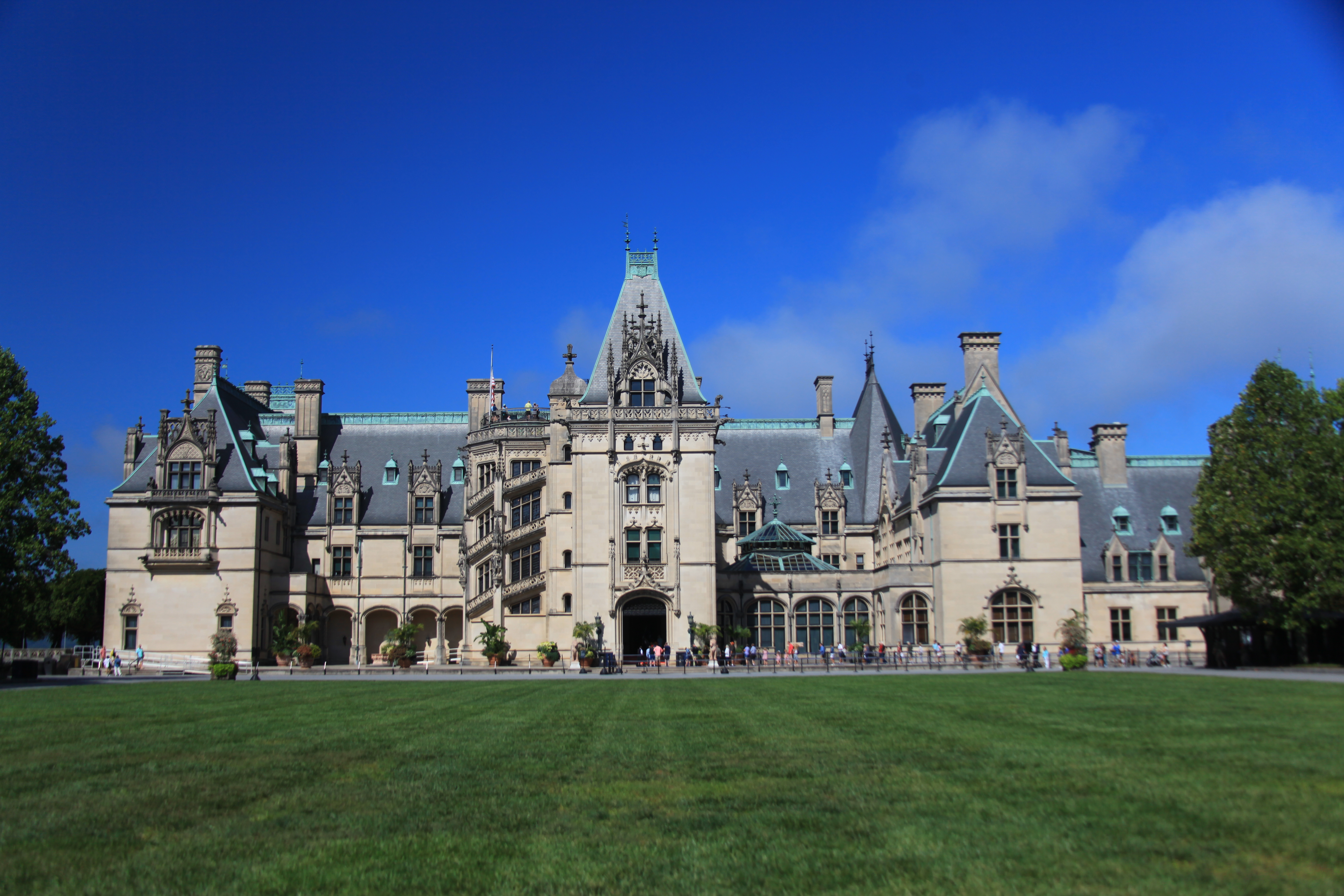
The Biltmore Estate in Asheville, North Carolina, is one of the rare places in America where the Gilded Age world comes alive as an immersive experience. Built in 1895 by George Vanderbilt II, this 250-room château remains the largest private home in the United States—but what distinguishes it today is not simply its scale, but the breadth of experiences that extend far beyond the mansion itself.
Set against the Blue Ridge Mountains, the estate spans more than 8,000 acres of gardens, forests, farmland, and historic structures—creating a destination that functions as both a cultural landmark and a fully realized retreat.
A visit begins, naturally, with the house.
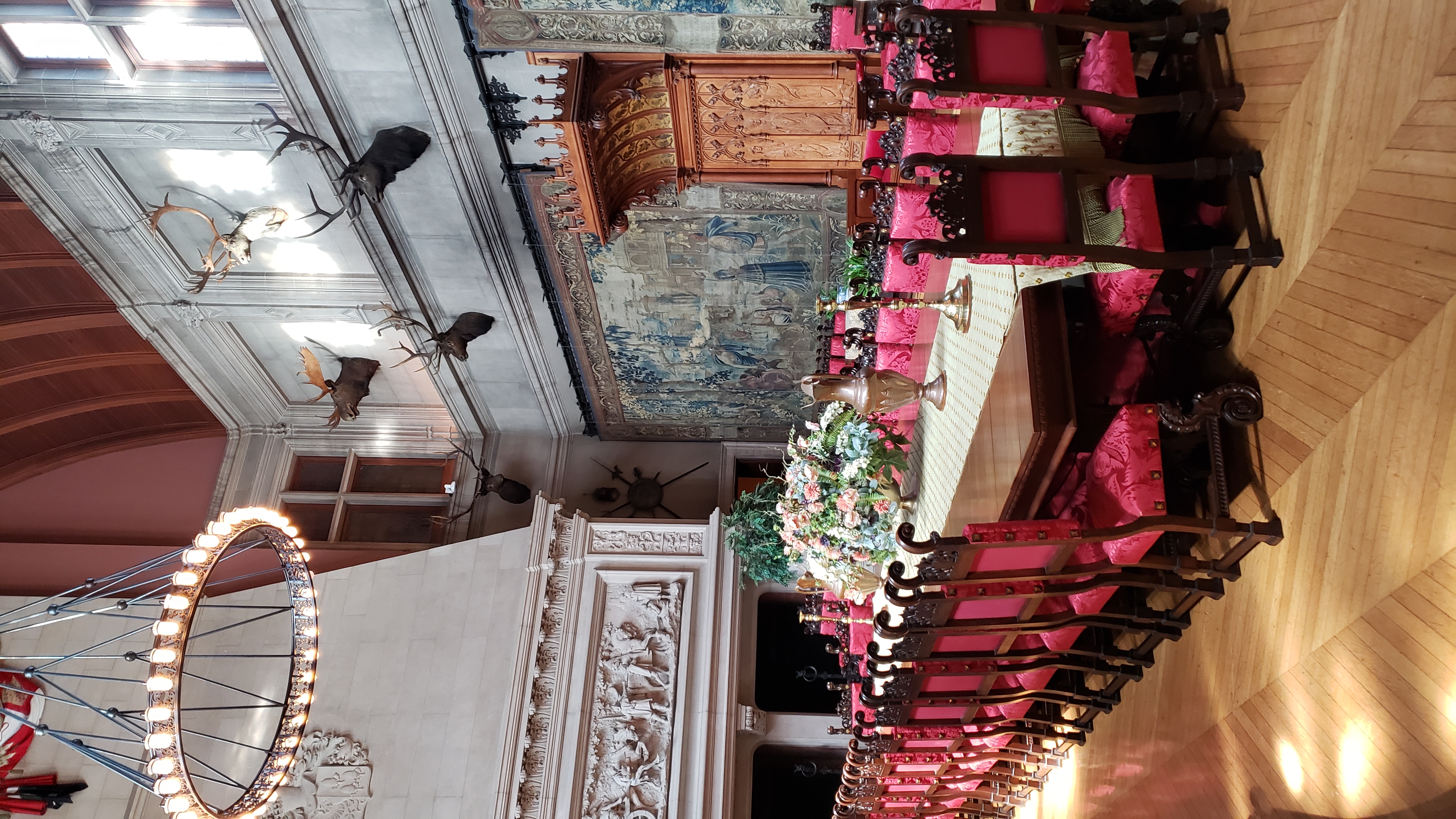
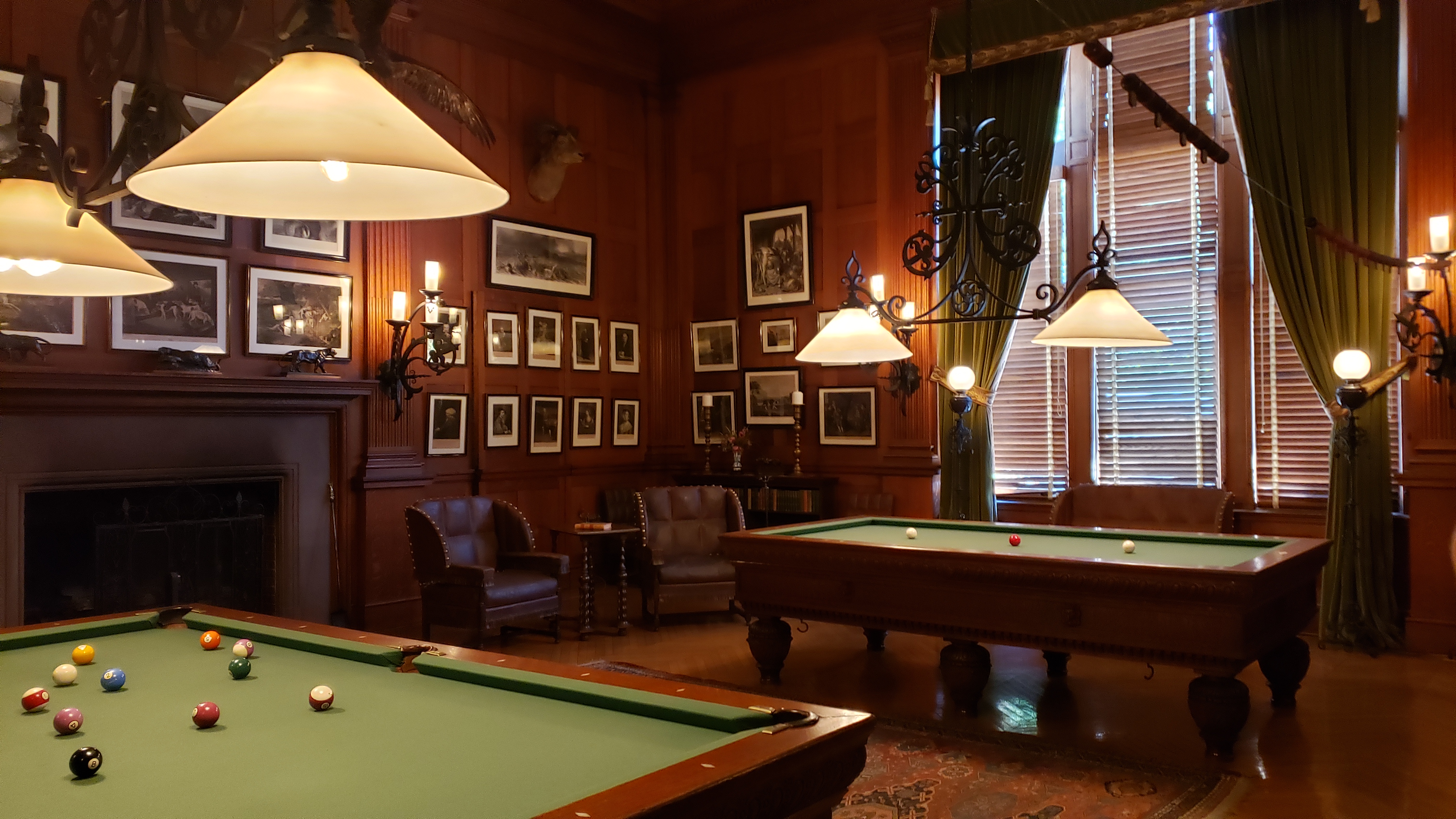
The mansion itself is a masterwork of Gilded Age ambition: 35 bedrooms, 43 bathrooms, 65 fireplaces, and interiors designed for both grandeur and function. Walking through its rooms—from the soaring Great Hall to the more intimate family spaces—you gain a clear sense of how the Vanderbilt household operated, supported by a staff of dozens and equipped with advanced conveniences for its time. This was as much a home, as well as a showpiece. Vanderbilt meant this to be his family residence, not just a summer retreat—and that feeling of loving absorption and joy is present in every room.
Unlike many historic homes, the experience does not end when you step outside.
The grounds—designed by Frederick Law Olmsted, the visionary behind Central Park—are essential to understanding the estate. His work here was not simply ornamental; it was ecological. Originally stripped of timber, the land was carefully restored through managed forestry, ultimately leading to the creation of America’s first forestry school on the property—an aspect of the estate still visible today.
For visitors, this translates into a wide range of landscapes to explore:
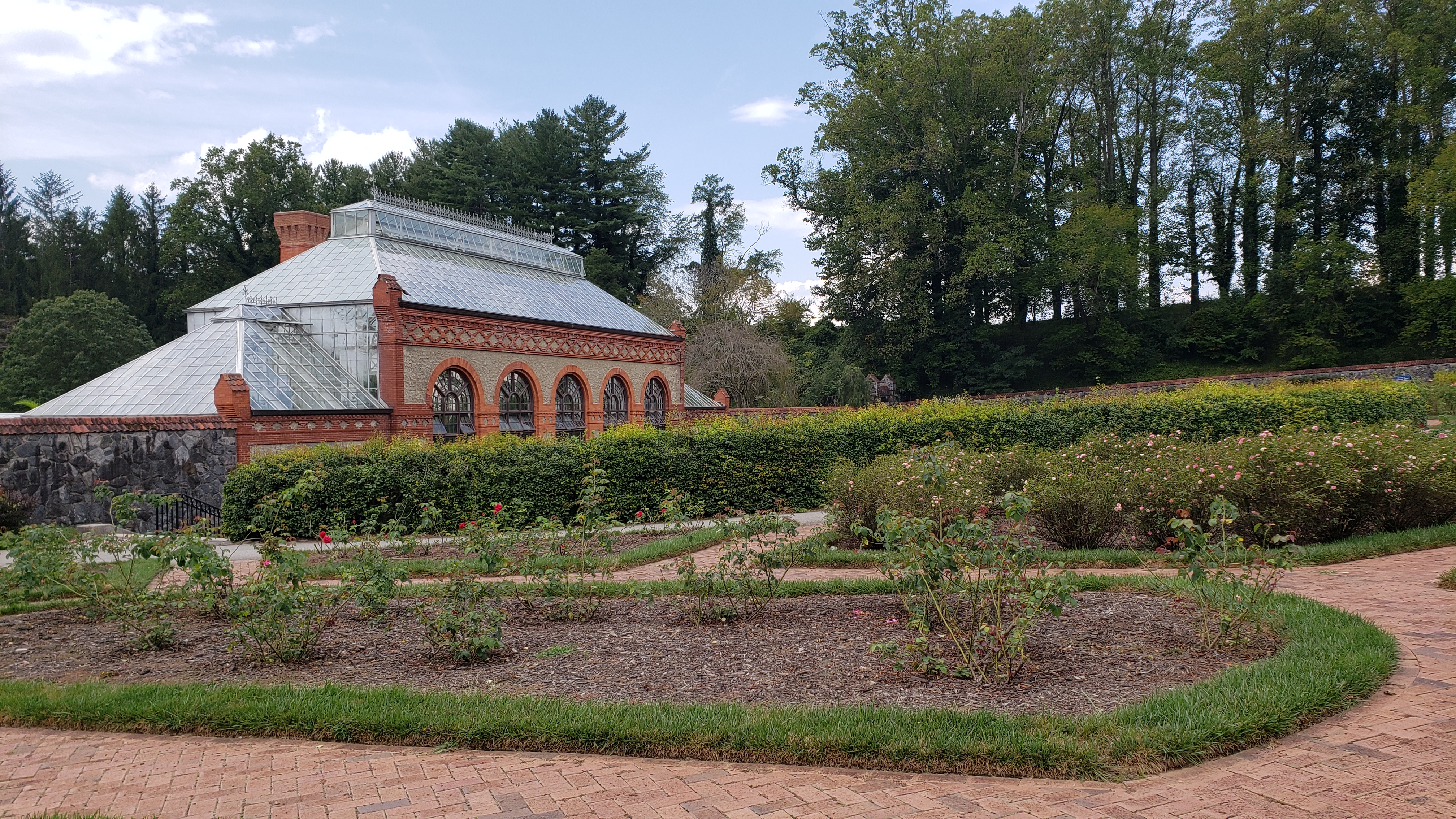
The Italian Garden and Walled Garden, where formal design meets seasonal planting
The Garden Conservatory, a glass-enclosed space filled with tropical and flowering plants
The expansive Deer Park and miles of walking and biking trails
Farmlands and wooded areas that reflect the estate’s original working purpose
What makes Biltmore particularly compelling for today’s traveler, however, is the ability to stay on the estate itself—transforming a day visit into a fully immersive experience that can span as many days as you desire.
Where to Stay
There are several lodging options, each offering a distinct way to experience the property:
The Inn on Biltmore Estate – The most refined option, with elevated views of the Blue Ridge Mountains, spacious rooms, a full-service spa, and fine dining. It offers a quieter, more secluded atmosphere suited to those seeking a traditional luxury stay.
Village Hotel on Biltmore Estate – Located in Antler Hill Village, this is a more contemporary and accessible option, with comfortable accommodations, easy access to dining, the winery, and estate activities.
Cottages on Biltmore Estate – Ideal for longer stays or small groups, these private residences provide additional space and a residential feel while still offering access to estate amenities.
Staying overnight allows for a different rhythm—early morning walks, quieter access to the grounds, and the ability to experience the estate without the time constraints of a day visit.
What to Experience Beyond the House
Biltmore is designed to be explored over time, and its appeal lies in the variety of experiences available:
Antler Hill Village & Winery – A central hub for dining, shopping, and wine tastings. The winery offers complimentary tastings, along with a deeper look into the estate’s winemaking operations.
Outdoor Activities – Miles of trails for walking, biking, and horseback riding, as well as seasonal activities that make use of the estate’s vast landscape.
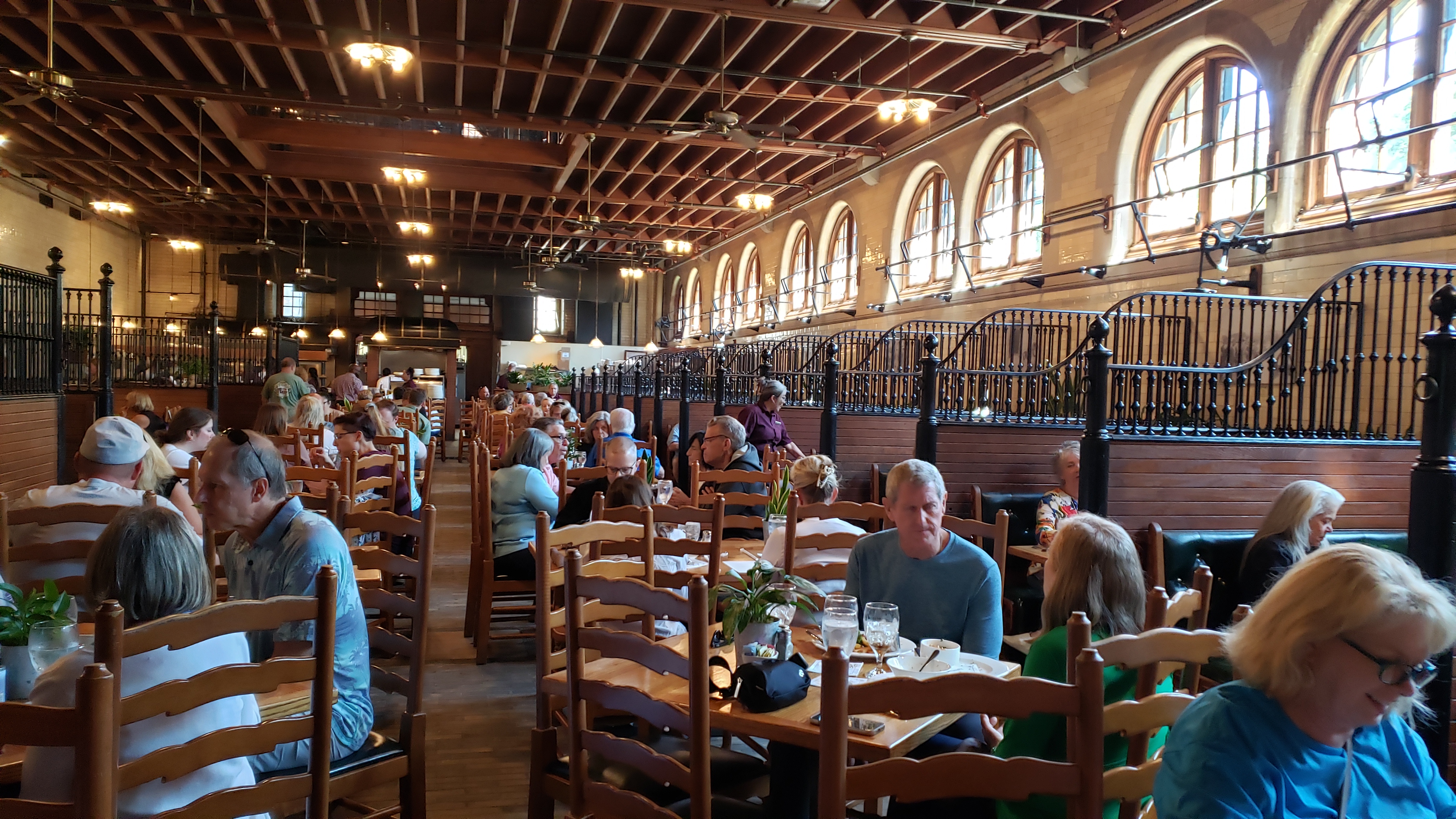
Dining Across the Estate – Options range from casual cafés to more refined dining, including restaurants housed in historic structures like the former stables.
Seasonal Events – From spring blooms to fall foliage and holiday decorations, the estate evolves throughout the year, offering different experiences with each visit.
The Biltmore is a place where architecture, landscape, and hospitality were designed to work together—a concept that remains intact more than a century later. Even today, the estate is still owned and managed by Vanderbilt descendants, maintaining a continuity that is rare among properties of this scale. And many family members live in houses on the property. You may pass them or see them working on the estate!
For travelers who appreciate history but also expect comfort, variety, and a sense of place, Biltmore offers something distinct: the opportunity to step into the Gilded Age—and stay there, if only for a few days.
Plan your visit to the estate, explore lodging, book your tickets or your stay here: https://www.biltmore.com