
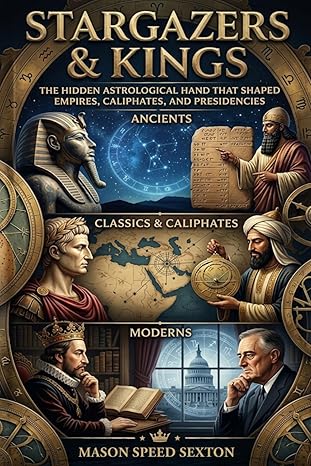
Stargazers & Kings: The Hidden Astrological Hand that Shaped Empires, Caliphates, and Presidencies by Mason Speed Sexton
For 4,000 years, the world’s most powerful leaders have used astrology as a strategic decision-making tool.
From Babylonian kings and Egyptian pharaohs to Alexander the Great, Roman emperors, Renaissance queens, and the Reagan White House, Stargazers and Kings reveals the extraordinary untold history of court astrologers and mundane astrology at the center of power.
Time Period: Ancient era–modern day
Primary Location: Global
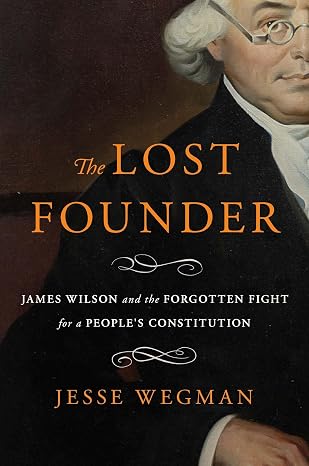
The Lost Founder: James Wilson and the Forgotten Fight for a People's Constitution by Jesse Wegman
As a young lawyer, James Wilson made a celebrated case for American independence in an essay that inspired the famous words “We hold these truths to be self-evident, that all men are created equal.” He wrote the first draft of the Constitution and, along with the more famous James Madison, played perhaps the essential role in its ultimate creation.
Wilson believed that the people are the ultimate source of all power. He argued successfully for a strong central government and a powerful presidency, and fought unsuccessfully for a direct vote for the president and the Senate. Appointed as a justice to the first Supreme Court, he was later brought down by reckless land speculation and died of malaria in the back room of a North Carolina tavern while hiding from his creditors.
Time Period: 18th century
Primary Location: Philadelphia, Pennsylvania
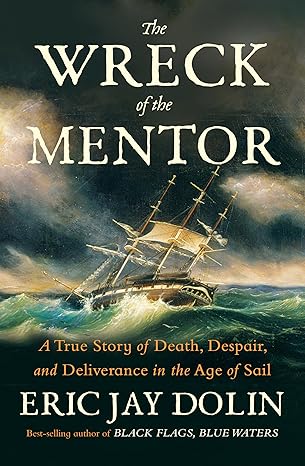
The Wreck of the Mentor: A True Story of Death, Despair, and Deliverance in the Age of Sail by Eric Jay Dolin
From the best–selling author of Black Flags, Blue Waters comes the story of the American whaleship Mentor, wrecked in 1832 on a remote reef in the western Pacific. With supplies dwindling, the eleven surviving crewmen face not only the miseries of shipwreck in unfamiliar territory but also the profound uncertainty of contact with the Indigenous people of the Micronesian archipelago of Palau, who within days approach the deserted men brandishing axes, clubs, and spears. In this gripping saga of cultural collision, tribal wars, and dashed hopes, award–winning historian Eric Jay Dolin vividly reconstructs the Mentor’s doomed voyage, the years of perilous captivity, and the delicate negotiations and fraught naval rescue mission that followed.
Time Period: 1832
Primary Location: Pacific Ocean
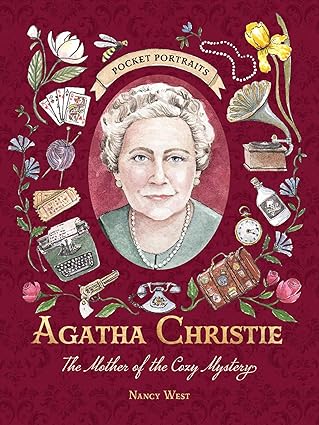
Agatha Christie: The Mother of the Cozy Mystery by Nancy West
Step into the world of history’s most legendary mystery and crime writer—Agatha Christie!
Inside, you’ll get an intimate glimpse into the life, mind, and works of the Mother of the Cozy Mystery. Featuring quotes about (and from) the literary genius and excerpts from her suspenseful stories, this beautifully crafted literary biography is a celebration of Christie’s literary brilliance and timeless creations. With each page, you’ll learn all there is to know about the bestselling novelist of all time, from her early years to her lasting impact on pop culture.
Time Period: 20th century
Primary Location: England

The Ballad of the Fugitive William Parker: A True Tale of Love, Murder, Treason, and Ordinary Folks Who Saved America by Cristin O’Keefe Aptowicz
The year, 1851. The place, a Quaker farming community turned Underground Railroad stronghold, where a Maryland enslaver had journeyed in pursuit of four men who’d fled his plantation years before. In a few hours, he’d be dead…and twenty-seven men from the village of Christiana would be rounded up and put on trial. Not for his murder, but for treason—for waging war against the United States, at a time when it was a crime against the government to obstruct an enslaver looking to reclaim his “property.”
This is story of what happened in Christiana that September morning—and in the ensuing “trial of the century,” which saw the president himself advise the prosecution on strategy and a sitting congressman serve as lead attorney for the defense. But The Ballad of the Fugitive William Parker is also a much larger tale, one spanning decades, following a whole startlingly diverse community of abolitionists in their fight to convince their fellow Americans of the subversive idea that now found itself on trial: that the nation ought to live up the ideals it was founded on, and respect all men as equals.
It’s a story that whisks readers from the quiet farmlands of Lancaster County—where a self-emancipated man named William Parker, whom legend had it bullets could not kill, rallied his neighbors to ride out each night to battle the slavecatchers who stalked their countryside—to Philadelphia’s genteel Society Hill, where socialite Harriet Forten Purvis had the ear of the mayor (and a cellar filled with fugitives). It’s stylish, propulsive, intimately human tale of bravery, ingenuity, and hope—and of ordinary people with little in common who came together to stand against injustice…and won.
Time Period: 1850s
Primary Location: Christiana, Pennsylvania
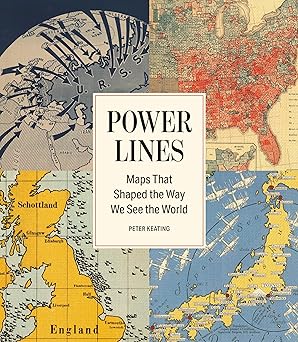
Power Lines: Maps That Shaped the Way We See the World by Peter Keating
In this book, award-winning journalist Peter Keating has assembled dozens of the most significant maps in history. There is the map featuring the Treaty of Tordesillas meridian, which Spain and Portugal used to divide the whole of the Western Hemisphere in 1494. The map deployed by Western leaders at the 1884 Berlin Conference to carve up Africa.
A map of Adolf Hitler’s speaking engagements in 1933 that looks like a rock concert tour poster. Maps of gerrymandering. Of redlining. Of military targets and of peace treaties. The map of the world—distortions and all—that hangs on thousands of classroom walls. And the polarizing red-and-blue election results maps that Americans are confronted with every two years. In striking images and riveting stories that span continents and centuries, Keating makes a compelling case for why, in the age of the internet, the power of maps—to define borders, to influence social policy, to enact political change—is unmatched, and is as potent as ever before.
Time Period: 15th century–modern day
Primary Location: Global
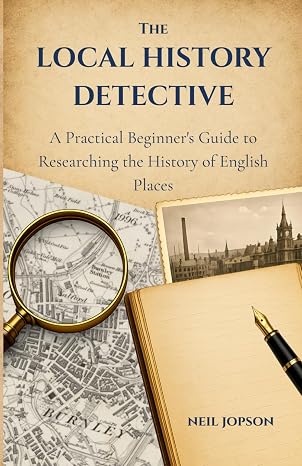
The Local History Detective: A Practical Beginner’s Guide to Researching the History of English Places by Neil Jopson
The abandoned railway cutting at the edge of a field.
The blocked-up doorway in a Georgian terrace.
The forgotten names on a war memorial.
The converted pub that once stood at the centre of village life.
Local history is not only about kings, castles, and famous battles. It is about ordinary people, lost landscapes, changing communities, and the traces the past leaves behind in everyday places.
The Local History Detective is a practical guide for anyone who wants to begin researching the history around them. Written for complete beginners, it shows readers how to investigate English local history using maps, archives, census returns, newspapers, buildings, graveyards, and fieldwork.
Time Period: Medieval era–modern day
Primary Location: England
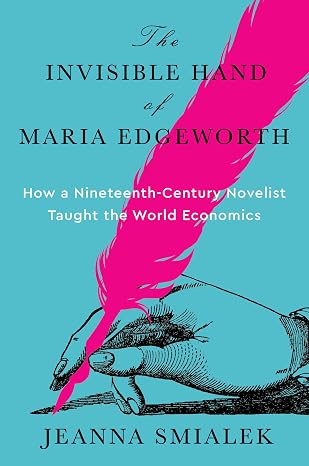
The Invisible Hand of Maria Edgeworth: How a Nineteenth-Century Novelist Taught the World Economics by Jeanna Smialek
At the end of the eighteenth century, Europe faced revolutions, famine, and war. It was out of this chaos that the field of economics was born—and while that founding has for centuries been attributed almost entirely to men, they were only part of the story.
Maria Edgeworth, known to her contemporaries as “the Great Maria,” was one of the most important authors of the Regency era, envied by Lord Byron, admired by Jane Austen, and read avidly by the British royalty. But she was more than just a novelist and a society fixture: She was also a covert economist, working just after Adam Smith and alongside her friends David Ricardo and Thomas Malthus. As the earliest economists established their philosophies on production and investment, Edgeworth published dozens of stories, many with lessons on finance, society, and trade tucked into their plots. Through her fiction, Edgeworth delivered new ideas to a broader public, stretching the boundaries of what a woman of her time could achieve and captivating an empire in the process.
Time Period: Late 18th–19th century
Primary Location: Edgeworthstown, Ireland
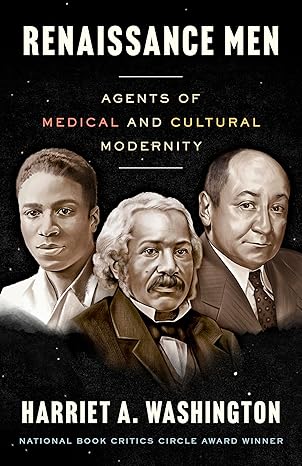
Renaissance Men: Agents of Medical and Cultural Modernity by Harriet A. Washington
The gripping, untold stories of three unsung Black physicians and their critical contributions to the field of medicine and American culture, from the National Book Critics Circle Award-winning author of Medical Apartheid
Between 1847 and 1952, three New York City doctors transformed medicine, catalyzed racial equity, elevated American culture, then were all but lost to history―until now.
James McCune Smith, MD., Rudolph Fisher, MD., and Louis T. Wright, MD each helped shape our nation and advance medicine while sharing overlapping passions―an uncompromising, even militant opposition to racial fetters; medical research that refused racial denigration; and literary acumen. While not strictly contemporaries, they were bound across time through obstacles that parallel those we confront today. Medical exclusion and disparagement, rampant healthcare inequities paired with housing segregation, racial abuse and police violence, lynching, the suppression of Black history ―and even racial bars to higher medical education―that mirrored today’s challenges to affirmative action.
Time Period: 1847–1952
Primary Location: New York City, USA
The Rush: California Gold, the Civil War, and the Making of the Modern World by Nathaniel Philbrick
In January 1848, a carpenter spotted flecks of gold in a shallow stream at Sutter’s Mill in California, triggering the greatest voluntary migration in U.S. history, as hundreds of thousands raced west in pursuit of sudden wealth, reinvention, and power. From the feverish gold-mining camps of the Sierra Nevada mountains to the wharves and vigilance committees of San Francisco, Nathaniel Philbrick renders a combustible, all-world society: Chilean brothers reinventing themselves to outrun prejudice; Native communities navigating dispossession and violence; the merchant-showman Samuel Brannan, drawn into the center of early vigilantism; and the politicians vying for control of California’s future—the ambitious Free-Soil political boss David Broderick, who squared off against William Gwin, the Southern power broker intent on tilting the state toward slavery and the Confederacy.
In The Rush, Nathaniel Philbrick transforms the Gold Rush from a tale of sudden riches into the origin story of America’s modern contradictions—capital consolidated at dizzying speed, democracy in thrall to private power, xenophobia weaponized in the name of liberty—and a stubborn belief in the American experiment that refuses to die.
This is the story of a nation tearing at the seams and a republic tested by its own ideals. Not until ayear after the outbreak of the Civil War, when President Lincoln signed legislation that would unite the nation east to west by building a transcontinental railroad, was California’s loyalty secured.
Time Period: 1848–1860s
Primary Location: California, USA
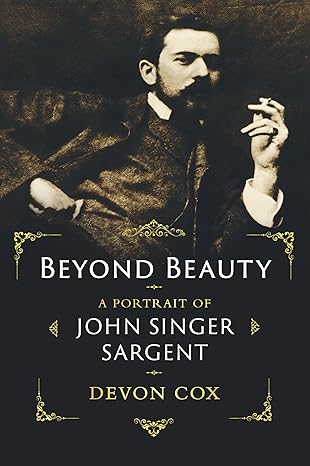
Beyond Beauty: A Portrait of John Singer Sargent by Devon Cox
John Singer Sargent (1856–1925) is one of the most famous American artists of all time, yet his personal life and character have remained elusive more than a century after his death. Today, as Sargent’s reputation reaches new heights, the man―restless, deceptively daring, and shrouded in secrecy―is ripe for reappraisal.
Beyond Beauty delves into Sargent’s guarded inner-life, illuminating his contradictions and complexity: an American outsider born and raised in Europe; a reserved gentleman with latent passions; a celebrated painter of the rich and famous who was drawn to unconventional rule-breakers.
Devon Cox explores Sargent’s visionary talent, which challenged artistic and social strictures on both sides of the Atlantic, from his scandalous portrait of Madame X in Paris to his depictions of the Black bellman Thomas McKeller in Boston. Cox also reveals how Sargent’s sumptuous portraits exposed the secret, inner lives of his subjects while his sensual landscapes and dramatic murals provided clues to his own rebellious spirit and repressed desires.
Drawing on new research and unpublished memoirs and letters, Cox also sheds light on Sargent’s sexuality and intimate relationships, from his letters to and sketches of artist Albert de Belleroche, to his connection with a soldier he met while serving as an official war artist. Capturing the glamor and intrigue of the Gilded Age, Beyond Beauty is a fresh, unvarnished portrait of a legendary, enigmatic artist for the twenty-first century.
Time Period: 1856–1925
Primary Location: Europe and United States
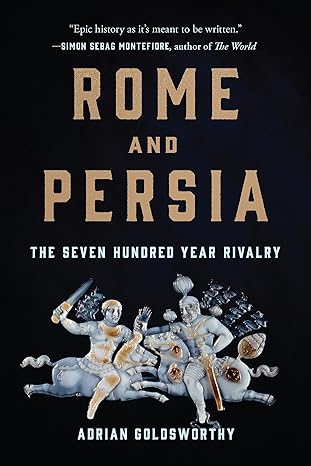
Rome and Persia: The Seven Hundred Year Rivalry by Adrian Goldsworthy
The Roman Empire was like no other. Stretching from the north of Britain to the Sahara, and from the Atlantic coast to the Euphrates, it imposed peace and prosperity on an unprecedented scale. Its only true rival lay in the east, where the Parthian and then Persian empires ruled over great cities and the trade routes to mysterious lands beyond. This was the region Alexander the Great had swept through, creating a dream of glory and conquest that tantalized Greeks and Romans alike.
Tracing seven centuries of conflict between Rome and Persia, historian Adrian Goldsworthy shows how these two great powers evolved together. Despite their endless clashes, trade between the empires enriched them both, and a mutual respect prevented both Rome and Persia from permanently destroying the other.
Time Period: c. 92 BCE–7th century CE
Primary Location: Roman-Persian frontier
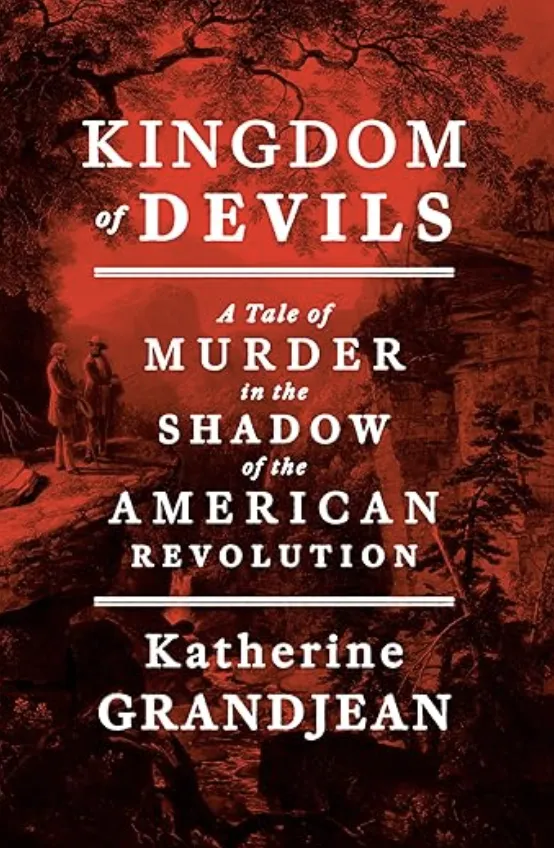
Kingdom of Devils: A Tale of Murder in the Shadow of the American Revolution by Katherine Grandjean
Kentucky, 1798: A harrowing series of murders begins. The first body, discovered by cattle drovers, lies bloody at the bottom of a ridge. Then another—a dead boy staring up from a sinkhole. Bodies turn up along roadsides, stuffed into brush. They float to the surface of muddy brooks. For nine terrifying months, over hundreds of miles of Kentucky and Tennessee countryside, the terror unfolds. The killers—two men with hazy backgrounds—are brothers, named Wiley and Micajah Harp.
The Harps killed dozens, but why they did it has eluded folklorists and historians for generations. Almost every story imagines that their motive was pure bloodlust, but for historian Katherine Grandjean, that’s too simple. Instead, she uses the Harp murders to reveal the dark side of the young United States’ independence. These were uncertain and dangerous years—a time when the fledgling federal government could do little to protect its citizens. And if the American Revolution was liberating, it was also deeply destabilizing, politically and socially. Even as it built up some men, it stacked the deck against others, punishing them with volatile markets, lost safety nets, and shattered aspirations. Unspooling the mystery of what sent the Harps reeling exposes the hidden, violent legacies of the revolutionary era.
Bristling with tense, page-turning storytelling—and driven by a historian’s obsessive detective work—Kingdom of Devils recovers these long-forgotten murders as a haunting tale about the darkness at the heart of the American dream.
Time Period: Late 18th century
Primary Location: New England, United States
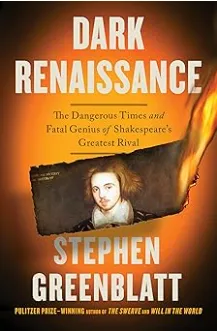
Dark Renaissance by Stephen Greenblatt
In repressive Elizabethan England, artists are frightened into dull conventionality; foreigners are suspect; popular entertainment largely consists of coarse spectacles, animal fights, and hangings. Into this crude world of government censorship and religious authoritarianism comes an ambitious cobbler’s son from Canterbury with a daring desire to be known―and an uncanny ear for Latin poetry. A torment for most schoolboys, yet for a few, like Christopher Marlowe, a secret portal to beauty, visionary imagination, transgressive desire, and dangerous skepticism.
What Marlowe seizes in his rare opportunity for a classical education, and what he does with it, brings about a spectacular explosion of English literature, language, and culture. His astonishing literary success will, in turn, nourish the talent of a collaborator and rival, William Shakespeare.
Time Period: 1580s
Primary Location: England
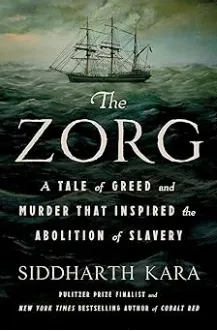
The Zorg by Siddharth Kara
In late October 1780, a slave ship set sail from the Netherlands, bound for Africa’s Windward and Gold Coasts, where it would take on its human cargo. The Zorg (a Dutch word meaning “care”) was one of thousands of such ships, but the harrowing events that ensued on its doomed journey were unique.
By the time its journey ends, the Zorg would become the first undeniable argument against slavery.
When a series of unpredictable weather events and navigational errors led to the Zorg sailing off course and running low on supplies, the ship's captain threw more than a hundred slaves overboard in order to save the crew and the most valuable slaves. The ship's owners then claimed their loss on insurance, a first for slaves who had not been killed due to insurrection or died of natural causes.
The insurers refused to pay due to the higher than usual mortality rate of the slaves on board, leading to a trial which initially found in their favor, in which the Chief Justice compared the slaves to horses. Thanks to the outrage of one man present in court that day, a retrial was held. For the first time, concepts such as human rights and morality entered the discourse on slavery in a courtroom case that boiled down to a simple yet profound question: Were the Africans on board people or cargo?
What followed was a fascinating legal drama in England’s highest court that turned the brutal calculus of slavery into front-page news. The case of the Zorg catapulted the nascent anti-slavery movement from a minor evangelical cause to one of the most consequential moral campaigns in history―sparking the abolitionist movement in both England and the young United States.
Time Period: 1781 (Middle Passage)
Primary Location: Atlantic Ocean
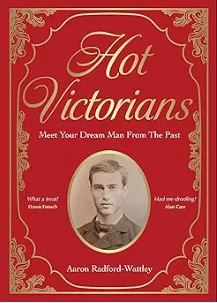
Hot Victorians: Meet Your Dream Man from the Past by Aaron Radford-Wattley
Feast your eyes upon the most gentlemanly brows, chiselled jawlines and tightest abs of the Victorian era.
Authored by the hugely popular 'Hot Victorians' Instagram account, this book is a brazen celebration of the finest men from the Victorian and Edwardian eras. From a show-off strongman, a hot felon and a daguerreotype dandy to a Swedish sailor and Harvard's first Black graduate, there is a chap for everyone.
Divided into chapters such as Hot Dads, Original Hipsters, Jocks and Sexy Nerds, each entry includes a swoon-worthy picture and a dating profile about the man. Among them, meet our cover star Arthur Shidler, dishy doctor and family man from Illinois, or how about the physician responsible for the identification of the bubonic plague parasite - is it really justified that such an ugly bacteria is named after a man so beautiful!? Each entry also includes a hilarious response to one of the prompts you might find on the dating apps, bringing these gents right into the 21st century.
Time Period: 19th century
Primary Location: England
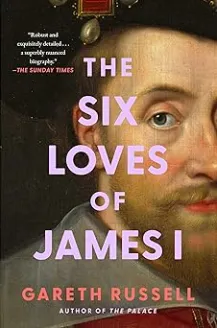
The Six Loves of James I by Gareth Russell
From the assassination of his father to the explosive political and personal intrigues of his reign, this fresh biography reveals as never before the passions that drove King James I.
Gareth Russell’s “rollicking, gossipy” (Dan Jones, author of The Plantagenets), and scholarly voice invites us into James’s world, revealing a monarch whose reign was defined by both his public power and personal vulnerabilities. For too long, historians have shied away from or condemned the exploration of his sexuality. Now, Russell offers a candid narrative that not only reveals James’s relationships with five prominent men but also challenges the historical standards applied to the examination of royal intimacies.
This biography stands as a significant contribution to the understanding of royal history, illuminating the personal experiences that shaped James’s political decisions and his philosophical views on masculinity and sexuality.
Time Period: 1566-1625 (reign)
Primary Location: England (London / Jacobean court)
Kings of Stone: The Hittite Enigma by R. Jay Driskill
Drawing on decades of archaeological and philological discoveries, Archaeologist R Jay Driskill, presents a comprehensive history of the Hittite Empire. Once a forgotten civilization, the Hittites emerged from obscurity to stand as a formidable power in the ancient Near East, rivaling Egypt, Babylonia, and Assyria.
In "Kings of Stone: The Hittite Enigma," Driskill synthesizes a century of groundbreaking research, offering readers an accessible yet scholarly exploration of this enigmatic people. From their origins in the early second millennium BCE to their ultimate collapse around 1180 BCE, witness the rise and fall of an empire whose innovations in military strategy, diplomacy, and law profoundly shaped the ancient world.
Driskill, whose fascination with the Hittites began with their paradoxical nature—central to ancient Near Eastern politics yet peripheral to historical consciousness—integrates the latest archaeological findings with meticulous translations of key cuneiform texts. Discover their unique Indo-European language, their adaptation of Mesopotamian cuneiform, and the intricate details of their society, religion, and daily life.
"Kings of Stone" traces the arc of Hittite civilization through its imperial phase under rulers like Suppiluliuma I and Ḫattušili III, whose influence stretched from the Aegean Sea to the Euphrates River. Explore their capital at Hattuša, delve into their diplomatic achievements, and unravel the mystery of their sudden disappearance during the tumultuous "Sea Peoples" period.
Time Period: ca. 1700 BCE – ca. 1200 BCE
Primary Location: Anatolia (ancient Hittite lands, modern Turkey)
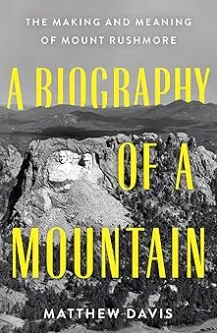
A Biography of a Mountain by Matthew Davis
Gerard Baker, the first Native American superintendent of Mt. Rushmore, shared those words with author Matthew Davis. From the tragic history of Wounded Knee and the horrors of Indian Boarding Schools, to the Land Back movement of today, Davis traces the Native American story of Mt. Rushmore alongside the narrative of the growing territory and state of South Dakota, and the economic and political forces that shaped the reasons for the Memorial's creation.
A Biography of A Mountain combines history with reportage, bringing the complicated and nuanced story of Mt. Rushmore to life, from the land’s origins as sacred tribal ground; to the expansion of the American West; to the larger-than-life personality of Gutzon Borglum, the artist who carved the presidential faces into the mountain; and up to the politicized present-day conflict over the site and its future. Exploring issues related to how we memorialize American history, Davis tells an imperative story for our time.
Time Period: Late 19th century to present
Primary Location: Mount Rushmore, Black Hills, South Dakota, USA
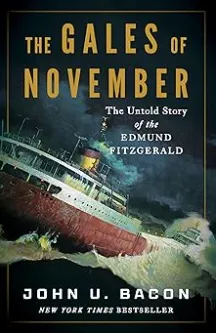
The Gales of November: The Untold Story of the Edmund Fitzgerald by John U. Bacon
For three decades following World War II, the Great Lakes overtook Europe as the epicenter of global economic strength. The region was the beating heart of the world economy, possessing all the power and prestige Silicon Valley does today. And no ship represented the apex of the American Century better than the 729-foot-long Edmund Fitzgerald―the biggest, best, and most profitable ship on the Lakes.
But on November 10, 1975, as the “storm of the century” threw 100 mile-per-hour winds and 50-foot waves on Lake Superior, the Mighty Fitz found itself at the worst possible place, at the worst possible time. When she sank, she took all 29 men onboard down with her, leaving the tragedy shrouded in mystery for a half century.
In The Gales of November, award-winning journalist John U. Bacon presents the definitive account of the disaster, drawing on more than 100 interviews with the families, friends, and former crewmates of those lost. Bacon explores the vital role Great Lakes shipping played in America’s economic boom, the uncommon lives the sailors led, the sinking’s most likely causes, and the heartbreaking aftermath for those left behind―"the wives, the sons, and the daughters,” as Gordon Lightfoot sang in his unforgettable ballad.
Focused on those directly affected by the tragedy, The Gales of November is both an emotional tribute to the lives lost and a propulsive, page-turning narrative history of America’s most-mourned maritime disaster.
Time Period: November 10, 1975
Primary Location: Lake Superior (near Whitefish Point, Michigan/Ontario)
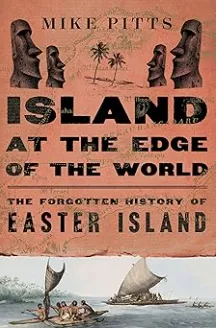
Island at the Edge of the World: The Forgotten History of Easter Island by Mike Pitts
Rapa Nui, known to Western cultures as Easter Island for centuries, has long been a source of mystery. While the massive stone statues that populate the island’s landscape have loomed in the popular Western imagination since Europeans first set foot there in 1722, in recent years, the island has gained infamy as a cautionary tale of eco-destruction. The island’s history as it’s been written tells of Polynesians who carelessly farmed, plundered their natural resources, and battled each other, dooming their delicate ecosystem and becoming a warning to us all about the frailty of our natural world.
But what if that history is wrong?
In The Island at the Edge of the World, archeological writer and scholar Mike Pitts offers a direct challenge to the orthodoxy of Rapa Nui, bringing to light new research and documents that tell a dramatic and surprising story about what really led to the island’s downfall. Relying on the latest archaeological findings, he paints a vastly different portrait of what life was like on the island before the first Europeans arrived, investigating why a Polynesian people who succeeded for centuries throughout the South Pacific supposedly failed to thrive in Rapa Nui. Pitts also unearths the vital story of one of the first anthropologists to study Rapa Nui, an Oxford-trained iconoclast named Katherine Routledge, who was instrumental in collecting firsthand accounts from the Polynesians living on Rapa Nui in the late nineteenth and early twentieth centuries. But though Routledge’s impressive scholarship captured the oral traditions of what life had been like pre-1722, her work was widely dismissed because of her gender, her reliance on indigenous perspectives, and her conclusions which contradicted her historical peers.
A stunning work of revisionism, this book raises critical questions about who gets to write history and the stakes of ignoring that history’s true authors. Provocative and illuminating, The Island at the Edge of the World will change the way people think about Easter Island, its colonial legacy, and where the blame for its devastation truly lies.
Time Period: Pre-European settlement to 20th century
Primary Location: Easter Island
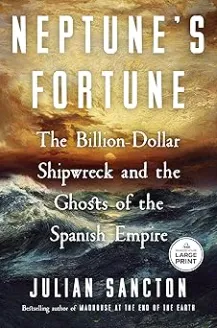
Neptune’s Fortune: The Billion-Dollar Shipwreck and the Ghosts of the Spanish Empire by Julian Sancton
Roger Dooley wasn’t looking for the San José. But an accidental discovery in the dusty stacks of a Spanish archive led him to the story of a lifetime, the tale of a great eighteenth-century treasure ship loaded with riches from the New World and destined for Spain. But that ship, the galleon San José, met a darker fate. It was drawn into a pitched battle with British ships of war off the coast of Cartagena, and when the smoke cleared, the San José and its bounty had disappeared into the ocean, its coordinates lost to time.
Though a diver at heart, Dooley was an unlikely candidate to find the San José. He had little in the way of serious credentials, yet his tenacity and single-minded devotion to finding and excavating the ship powered him across four decades, even as he became a man in exile from the country of his birth. As Dooley jousted with famous treasure hunters and well-funded competitors, he slowly homed in on a patch of sea that might contain a three-hundred-year-old shipwreck—or nothing at all.
Neptune's Fortune is a thrilling adventure, taking readers from great naval battles on the high seas to the sun-soaked shores that nurtured history’s most notorious treasure hunters, to the archives that held the secret keys to lost fortune on the ocean floor.
Time Period: Early 18th century and modern era
Primary Location: Caribbean Sea
The Greatest Sentence Ever Written by Walter Isaacson
To celebrate America’s 250th anniversary, Walter Isaacson takes readers on a fascinating deep dive into the creation of one of history’s most powerful sentences: “We hold these truths to be self-evident, that all men are created equal, that they are endowed by their Creator with certain unalienable Rights, that among these are Life, Liberty, and the pursuit of Happiness.”
Drafted by Thomas Jefferson and edited by Benjamin Franklin and John Adams, this line lays the foundation for the American Dream and defines the common ground we share as a nation.
Isaacson unpacks its genius, word by word, illuminating the then-radical concepts behind it. Readers will gain a fresh appreciation for how it was drafted to inspire unity, equality, and the enduring promise of America. With clarity and insight, he reveals not just the power of these words but describes how, in these polarized times, we can use them to restore an appreciation for our common values.
Time Period: Late 18th century
Primary Location: Philadelphia
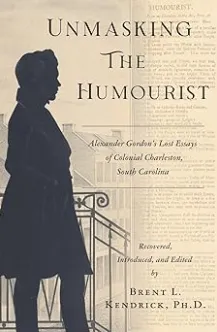
Unmasking the Humourist : Alexander Gordon's Lost Essays of Colonial Charleston, South Carolina by Brent L. Kendrick
Unmasking The Humourist is a groundbreaking literary investigation that solves one of Colonial America’s greatest mysteries: Who wrote The Humourist essays published in the South-Carolina
Gazette in 1753–1754? For centuries, these satirical, sharp-witted essays remained orphaned, their author lost to history. Now, through meticulous research, Dr. Brent L. Kendrick unveils the true identity of The Humourist: Alexander Gordon—antiquarian, Egyptologist, scholar, and Clerk of His Majesty’s Council in South Carolina.
This definitive edition not only restores Gordon’s rightful place in American literary history but also immerses readers in the vibrant, often contradictory world of colonial Charleston. Featuring the complete text of The Humourist essays, alongside historical annotations, detailed analysis, and newly uncovered evidence, this volume brings fresh insight into Charleston’s intellectual landscape. By situating these essays within their historical and literary context, the book ensures that The Humourist’s incisive voice—long buried in forgotten newsprint—resonates once more.
Time Period: Mid-18th century
Primary Location: Charleston
A Sword over the Nile: A Brief History of the Copts Under Islamic Rule by Adel Guindy
Adel Guindy has produced a timely and authoritative account of the Copts' story. It deserves to be widely read... this timely and excellent book will act as a wakeup call.... It reminds us that historically, the Copts have been Egypt's beating heart and that Egypt's future, without them, would be bleak indeed. PROFESSOR LORD ALTON, MEMBER OF THE BRITISH HOUSE OF LORDS A Sword Over the Nile is a most welcome book and contribution to the existing literature. Here in one volume, we have the largely unknown historical experiences of Egypt's Coptic Christians under Islam--and from the most primary if previously inaccessible or untranslated sources. Not only is it a window to the past; it may be an ominous look to the future. RAYMOND IBRAHIM, AN EXPERT ON ISLAMIC DOCTRINE
AND HISTORY, IS AUTHOR OF SWORD AND SCIMITAR:
FOURTEEN CENTURIES OF WAR BETWEEN ISLAM AND THE WEST
Time Period: 7th century to modern era
Primary Location: Egypt
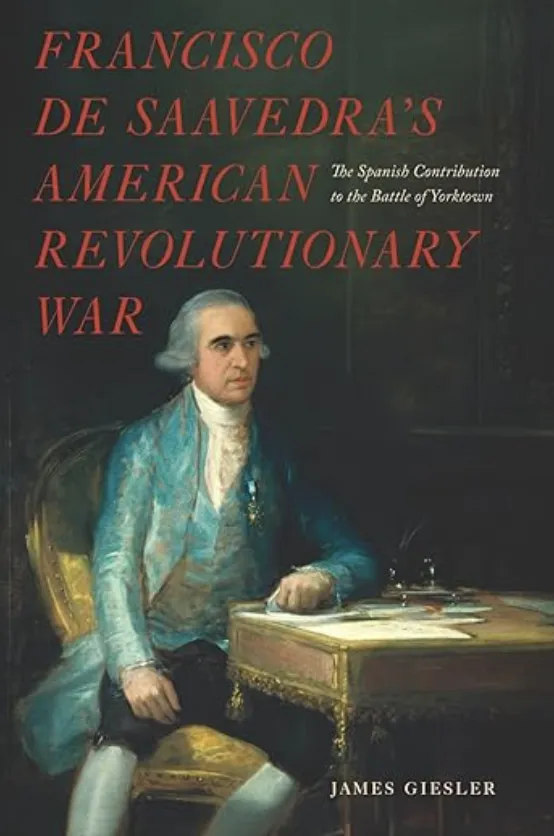
Francisco de Saavedra’s American Revolutionary War by James Giesler
This is the story of how the decisive victory in the American Revolutionary War, at the Battle of Yorktown in October 1781, was the result of French and Spanish cooperation in the Caribbean. This cooperation started with Francisco de Saavedra’s arrival in Havana in early 1781. Although Spain had joined the war against Britain in 1779 little had been done by the Havana War Council, or Junta de Generales, to achieve Spain’s war aims. Saavedra united the Junta and established a close liaison with a French naval squadron which was present in Havana. This resulted in the fall of British held Pensacola in West Florida, in May 1781, to forces led by Bernardo de Gálvez. Saavedra would go on to meet Lt. General de Grasse in St. Domingue (Haiti) who was arriving from France with a large fleet. Together they agreed a plan of action for French and Spanish forces for the next nine months known as the de Grasse-Saavedra convention. As a result de Grasse was able to sail promptly to Chesapeake Bay with a large fleet, troops, artillery and desperately needed Spanish silver dollars to fund the Yorktown campaign. De Grasse’s forces united with those of generals Washington and Rochambeau and trapped the British army at Yorktown in September 1781. Together they would deliver the coup de grace that led the British to abandon the war in North America. Saavedra would go on to play a significant role in the war as an adviser to the French and Spanish courts.
Time Period: Late 18th century
Primary Location: Havana
1873: The Rothschilds, the First Great Depression, and the Making of the Modern World by Liaquat Ahamed
Over the course of the 1850s and 1860s, during the first era of globalization, the world experienced an unprecedented economic boom. Fueling this expansion was an explosion in the global bond market, at the hub of which stood one family—the Rothschilds, arguably the wealthiest banking family in history. While the giant sums of capital provided through the bond market built the railroads, the century’s most transformative investments, the money raised also unleashed a frenzy of speculation, massive overinvestment, and wasteful borrowing by governments.
With excessive euphoria leading to disappointed expectations, in the early 1870s the bubble burst. Stock markets from Vienna to New York crashed, and dozens of railroads and many governments defaulted. Financial officials responded by blundering into a precipitous remaking of the global currency system—exacerbating the ensuing economic collapse and setting the stage for decades of a punitive deflation that sparked waves of anti-globalist populism. As Liaquat Ahamed shows us in this enthralling history, the crisis of 1873 was, among other things, a death blow to Reconstruction in the United States and the proximate cause of the Ottoman Empire’s slow death spiral. Ironically, though the Rothschilds had presciently kept a low profile during the bubble, when the deluge came, they were viciously scapegoated as part of a wider hatred directed at “Jewish finance,” a strain of antisemitism that would come to full evil flower during the twentieth century.
1873 is a bird’s-eye reckoning with the full dimension of the crisis, from its buildup to its long aftermath. The Rothschilds and a cast of other witnesses give us the human perspective. And we have a brilliant financial historian’s grasp of the larger forces at play, resulting in a global narrative with thrilling explanatory power.
Time Period: Late 19th century
Primary Location: London
The Lost Cities of El Norté: Coronado’s Quest, the Unconquered West, and the Birth of American Indian Resistance by Molly Crabapple
In 1540, the grandest exploring expedition ever assembled in the Americas paraded north from the ruins of the Aztec capital Tenochtitlan, a glittering column of 2,000 men heading into the unknown. Their destination was El Norte Misterioso—The Mysterious North, present-day United States—where fabulous cities of gold were rumored to shine beyond the horizon. Two years later, survivors began stumbling back, half dead. Lost to poisoned arrows, brutal deserts, starvation, cold, desertion, and countless other hardships, 90% of those who left would never return.
Led by Francisco Coronado and backed by the full weight of the Spanish empire, the superpower of its day, they had expected to seize the land, steal its riches, and subjugate its peoples, just as they had so recently done to the mighty Aztec and Inca empires. But instead they encountered the unconquered American West, populated by complex societies of indigenous nations, masters of a vast and unforgiving landscape who fiercely resisted this European “incursion” onto their lands.
Coronado and his people traversed 2,500 miles of unmapped terrain, ranging across the present-day U.S. states of California, Arizona, New Mexico, Texas, Oklahoma, and finally Kansas. They were the first Europeans to gaze upon the Grand Canyon and the Rocky Mountains; made first contact with the Puebloan peoples; crossed the Sonoran Desert and the Great Plains, where they encountered endless herds of bison and the nomadic tribes who followed them. After leading the largest exploring cavalcade ever assembled in the New World, wearing his gilded armor and bobbing plume, Coronado retreated back to Mexico City two years later accompanied only by a hundred or so hangers-on and carried on a litter, a broken man. America’s Southwest and Plains would remain unconquered for the next 300 years.
Time Period: 16th century
Primary Location: American Southwest
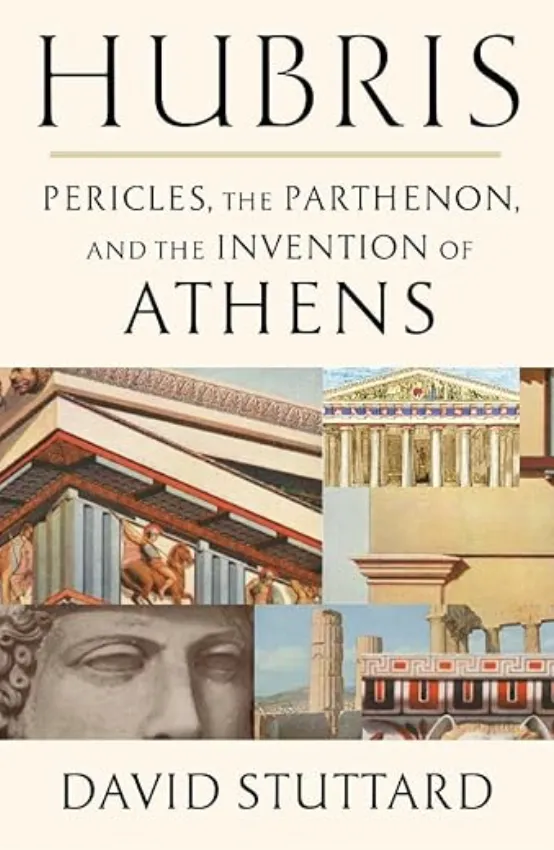
Hubris: Pericles, the Parthenon, and the Invention of Athens by David Stuttard
The age of Pericles, in the fifth century BC, is often described as the Golden Age of Athens. The city witnessed a flowering of philosophy, art, and architecture―including an ambitious building program, with the Parthenon its centerpiece. But as David Stuttard shows in this vivid account, the seemingly triumphant city was in fact riven by conflict and contradiction. Though nominally a democracy, Athens led a tyrannical empire. And for Pericles and his circle, the Parthenon was less a holy place than a propaganda vehicle. Its sculptures carried the message that Athenians, beloved by the gods, were nearly divine in their own right―which to many Greeks smacked of hubris.
As long as things went well, Athenian democracy appeared to prosper. But just a year after the Parthenon was finished, Athens was at war with Sparta; a plague killed a third of the population, including Pericles; and earthquakes razed much of the city. In the wake of what seemed like divine retribution, popular outrage against those accused of undermining state religion was so strong that it took the execution of Socrates to lance the boil.
Hubris offers dramatic portraits of key figures like Pheidias, who sculpted the monumental statue of Athena yet fell prey to charges of impiety; Themistocles, who built the Athenian navy but died an exile in enemy lands; and Alcibiades, the psychopathic playboy whose mercurial ego hastened his city’s defeat. To understand the Parthenon and the Athens that built it, Stuttard reasons, we must recognize the tensions among the city’s rivalrous families, generations, and social classes, whose visions of their place in the world ultimately proved incompatible.
Time Period: 5th century BCE
Primary Location: Athens
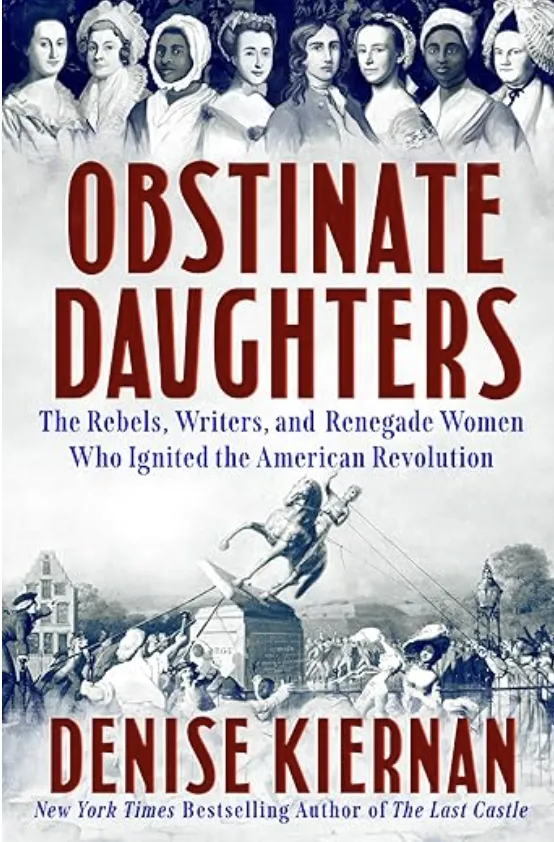
Obstinate Daughters: The Rebels, Writers, and Renegade Women Who Ignited the American Revolution by Denise Kiernan
History has always celebrated the "Founding Fathers"—the sly but victorious tactics of Washington, the daring exploits of Lafayette, the grand ideas of Jefferson. Yet we rarely hear of the women who kept the colonies running and liberty alive. Obstinate Daughters finally rewrites the story of America’s birth by revealing the courageous, resourceful women whose actions shaped a nation. From the battlefields to the printing press, from the plantations to the pulpit, these women fought, spied, published, preached, farmed, organized. From the front lines to the home front, from the colonies to the frontier, these unsung heroines turned the tide.
In Obstinate Daughters, readers will meet women who armed themselves and took matters into their own hands to defend their town. A Cherokee leader who warned patriot settlements of looming attacks, risking the lives of her own people in the process. A British spy at the center of a plot to assassinate George Washington. Enslaved women who risked their lives while fighting a parallel battle for their own freedom, embodying the very ideals the revolution claimed to uphold. The only woman to have her name on the Declaration of Independence. And many more.
As she has done so many times before, Kiernan masterfully weaves these individual stories together into a single, compelling narrative and carves a place in history for these impactful females. With journalistic rigor and narrative flair, Kiernan reminds us that the past is always open to challenge, and that every untold story can inspire a new generation.
Time Period: Late 18th century
Primary Location: Boston
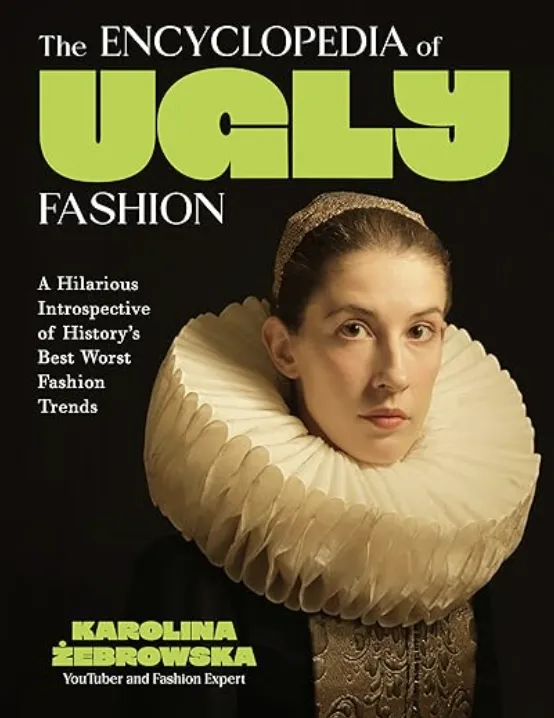
The Encyclopedia of Ugly Fashion: A Hilarious Introspective of History’s Best Worst Fashion Trends by Karolina Żebrowska
Revel in the bad decisions of others with this collection of history’s most bizarre fashion trends that will leave you asking, “Who would even wear this?” Featuring historical context and illustrations pulled directly out of the past, fashion historian and influencer Karolina Żebrowska appraises each look with an equal amount of thoughtfulness and humor.
From 16th-century German hats shaped like plates to the 1950s bullet bra, this unique capsule not only uncovers the intention behind these kooky, sometimes oppressive, always outrageous trends but theorizes how they all went so horribly wrong. Perfect for fashion fanatics, history buffs, and everyone in between, this book is sure to provide hours of entertainment.
Time Period: 15th century to early 20th century
Primary Location: Europe
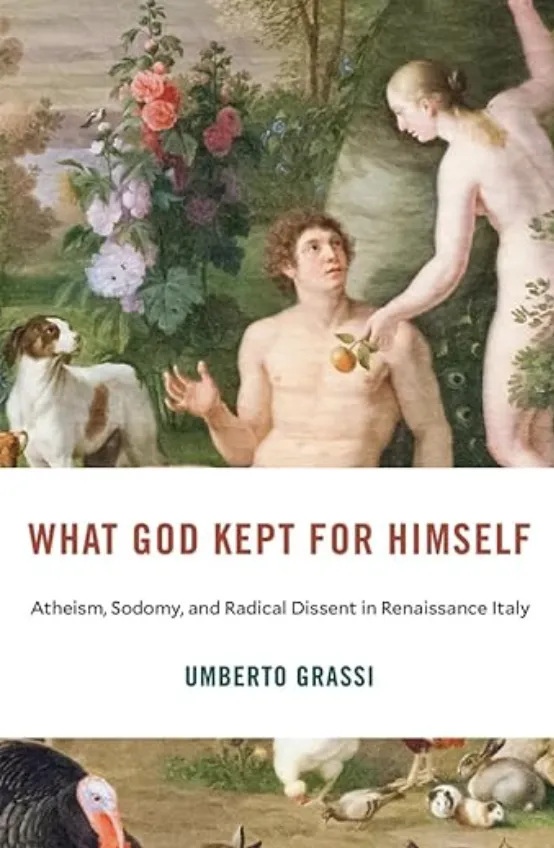
What God Kept for Himself: Atheism, Sodomy, and Radical Dissent in Renaissance Italy by Umberto Grassi
Between the sixteenth and eighteenth centuries, a series of highly controversial Inquisition trials took place throughout the Italian peninsula. The defendants were all accused of the same heresy: claiming that Adam and Eve’s original sin had been committing sodomy, a “celestial” pleasure reserved for God alone. Such claims were not merely subversive sexual innuendo. Rather, they were the most radical expressions of a much broader critique―one that not only targeted repressive sexual taboos but also denounced the corruption of the Church, questioned the authority of the pope, and suggested that organized religion itself was a hoax designed to maintain elite power.
As Umberto Grassi shows, these dissenters’ beliefs about sexual freedom came to play a crucial role in the development of skeptical and atheistic positions. Many of the accused argued that, by violating God’s exclusive right to engage in sodomy, Adam and Eve dared to make themselves like gods. This view, which led to charges of atheism, radicalized a more widely held belief that the ruling classes banned sodomy to prevent the masses from enjoying it. In turn, such heresies fueled indictments of Christian morality as an all-too-human invention, whose purpose was to reinforce a social order in which the ruling classes controlled both sexuality and religious truth.
Tracing a radical tradition of thought on trial, What God Kept for Himself establishes the firm relationship between sexual nonconformity and religious dissent in the early modern Mediterranean world.
Time Period: 16th century
Primary Location: American Southwest
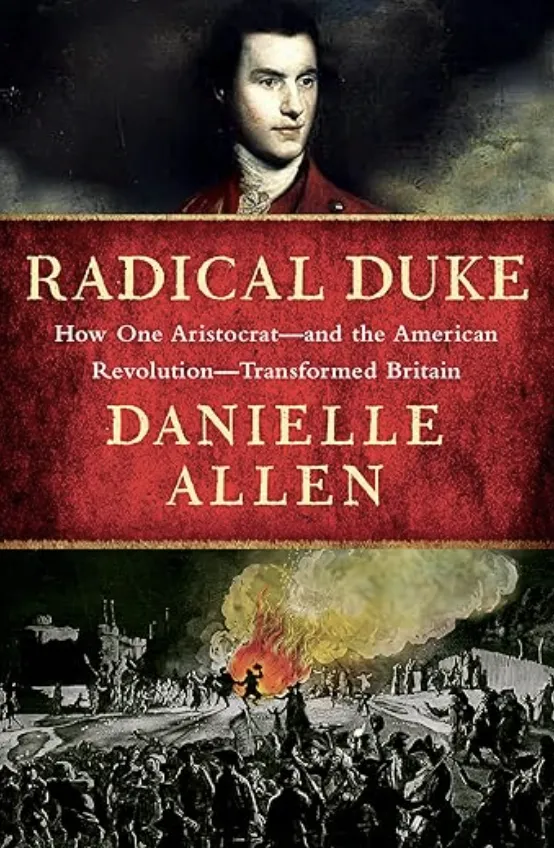
Radical Duke: How One Aristocrat and the American Revolution Transformed Britain by Danielle Allen
When Danielle Allen unearthed a parchment of the Declaration of Independence buried away in Sussex, England, little did she know that she had discovered a story of historical magnitude that would alter our understanding of British and American history. Revealing that the Age of Revolution began earlier than we thought―not with the Boston patriots nor with the Parisian Jacobins, but in Britain itself―Allen demonstrates in Radical Duke that the rights of man, the theory of revolution, and calls for popular sovereignty all emerged from the radical energies of London before they spread across the Atlantic and the Channel.
At the center of this new age was Charles Lennox, the progressive Third Duke of Richmond, a rarely cited historical figure who becomes the biographical focus of Allen’s groundbreaking work. Even with royal blood coursing through his veins, the handsome, gallivanting Duke (1735–1806) preferred to rub shoulders with ordinary folk―supporting the rights of jurors, freedom of the press, and religious toleration. As Allen shows, from 1767 to 1782, he was England’s leading voice of opposition to the Crown, and, as the leader of the Sussex militia, even a threat to the King’s power. But the Duke did not challenge the Crown alone.
The archives have long hidden the covert alliance between the young Duke and his age-mate Thomas Paine, the future author of Common Sense. While working as an obscure tax collector, Paine was engaged by the Duke to contribute to the most influential but anonymous newspaper essays of the age, The Letters of Junius, which spawned sedition trials, defined the rights of man, and brought England to the brink of revolution. Along with a small cadre of radicals, Paine and the Duke fired hearts across two continents and secretly stoked a burgeoning political movement.
Time Period: Late 18th century
Primary Location: Britain
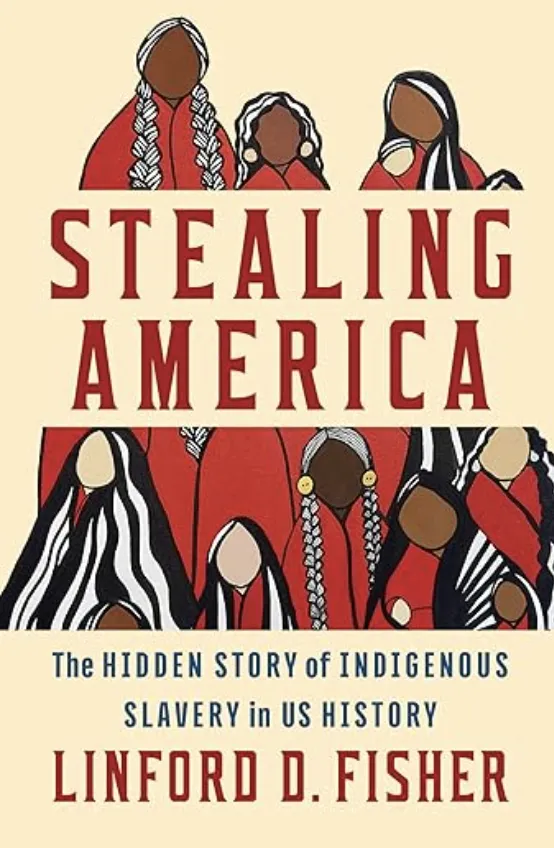
Stealing America: The Hidden Story of Indigenous Slavery in U.S. History by Linford D. Fisher
Although the first enslaved Africans arrived in Jamestown in 1619, European slavery in America began more than a century before. In a work distinguished not only by its original research but by its “passionate prose” (James F. Brooks), historian Linford Fisher demonstrates how the enslavement of Indigenous people began in the years just after 1492, ensnaring an estimated three to six million Natives throughout the Americas. Although largely erased from the public consciousness, Native enslavement continued for centuries to become a colossal phenomenon that affected nearly 600,000 Native Americans in North America alone, revealing the shocking truth that American colonizers enslaved Natives in roughly the same numbers as they imported enslaved Africans.
From Virginia to California, from New England to Barbados, Stealing America traces the history of Indigenous enslavement and land dispossession, detailing how colonizers captured Natives and often deliberately mislabeled them as Black slaves to avoid detection. While the American Revolution pealed the bells of freedom for colonists, it paved a larcenous trail of westward expansion that subsequently plundered Indigenous land and stole the labor of Natives from nations like the Cherokee, Navajo, Nisean, and many others. “This double theft,” Fisher writes, “was central to the origins, growth, and eventual success of the English colonies and the United States―not just initially but throughout all of American history.”
In this expansive narrative, Fisher weaves together accounts of major episodes in American history including early colonization, the American Revolution, and the Civil War with lesser-known stories of Native enslavement and land loss. Fisher upends conventional histories about the nature of American slavery, revealing enslaved Natives in places we have overlooked, including southern antebellum plantations and the nineteenth-century American West. After Congress outlawed Native slavery in 1867, Americans forced Indigenous children into boarding schools and white homes, where they labored under forced assimilation. This practice was not reformed until the latter twentieth century, when Native nations finally secured increasing rights and self-determination.
Nearly fifteen years in the making, this magisterial volume not only uncovers a five-century genocidal history but also illuminates the myriad ways Native Americans have fought for their sovereignty and maintained community. The most comprehensive work of its kind, Stealing America emerges as a saga of both persistent colonialism and Indigenous resilience, one that reframes American history at its core. 90 illustrations; 19 maps
Time Period: 17th–18th centuries
Primary Location: Eastern United States
When Einstein Met Kafka: Jewish Contributions to the Modern World by Diego Moldes
In April 1911, Prague artists, writers, and intellectuals often gathered nightly at the Café Louvre, an intellectual center where music was played and high-level discussions were held. Many of the attendees were German-speaking Jews, such as Franz Kafka and his faithful friend Max Brod, Hugo Bergmann, Oskar Kraus, Franz Werfel, the mathematician Georg Pick, and a new arrival to the city, thirty-two-year-old Albert Einstein. Is it possible that Kafka and Einstein met and exchanged ideas? Did they influence each other from a philosophical or deep-thinking perspective? In neither Kafka's nor Einstein’s correspondence there is not even the slightest mention of each other. But Einstein and Kafka, two icons of our modern era, serve as the starting point for this book on the enormous contributions in the fields of the empirical sciences, humanities, letters, and arts by individuals of Jewish origin in modernity. In this book, the reader will encounter numerous names in the pages that all spring from the fountainhead of these two antecedents, the Einsteinian and the Kafkian.
While Jews account for 0.2 percent of the world’s population and no more than 2.5 percent of any country except Israel, they have made some of the greatest contributions to Western Culture in diverse fields that range from physics and philosophy to music and art. One register of these contributions is the Nobel Prizes: from their first recipients in 1901, 26 percent of awardees in the Nobel’s six fields — among them, physics, physiology/medicine, and economics — have been Jews. What accounts for the extraordinary breadth of these achievements? This is a question that Diego Moldes examines in When Einstein Met Kafka.
His answers include the history of Jewish culture itself, whether religious or secular, with its emphasis on literacy, learning, and especially inquiry and questioning. Until the European Enlightenment in the 18th century, Jews did not have full citizenship and civil rights — they were barred from universities, from government, and from entire professions. The Enlightenment opened the doors!
Despite the outbreaks of violent anti-Semitism — or what Diego Moldes calls Judeophobia — and continuing discrimination in all Western countries, Jews now had legal rights, and they persevered. In a near-encyclopedic fashion, he profiles just how thousands of individual Jews, by name, made original contributions to fields as diverse as medicine, artificial intelligence, philosophy, history, economics, business, world finance, computing, sports, film, architecture, and more! The book itself is an extraordinary achievement, the result of twenty years of intensive research, yet written in an immensely engaging style that has been translated and adapted for English readers from the Spanish by Steven Capsuto.
Time Period: 19th–21st centuries
Primary Location: Global (emphasis on European centers like Prague)
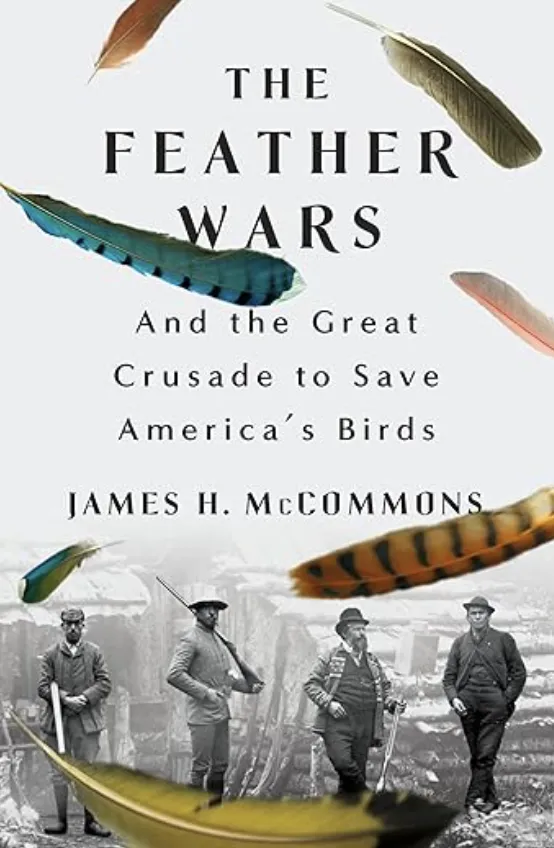
The Feather Wars: And the Great Crusade to Save America’s Birds by James H. McCommons
From the time the country was founded, early Americans assumed that the land’s natural resources were infinite, including its birds, which were zealously hunted for food, game, and fashion. With the rapid extinction of the passenger pigeon―a bird once so numerous that its flocks darkened the sky in flight―many realized actions needed to be taken if other birds were to be saved. What followed was both a spiritual awakening and a great crusade to save birds and their habitat. The campaign took place on many battlefields: society teas in Boston, hunt clubs on the East Coast, the mangroves in the Everglades, and in the editorial pages of newspapers and periodicals. From many corners of the country the bird protection movement was born and brought together a remarkable coalition of people and organizations to save America’s birds.
The Feather Wars is an entertaining and expansive work of American history, an incredible story about how disparate characters―progressive politicians, free-thinking society belles, nature writers and artists, bird-loving U.S. presidents, gunmakers, business titans, and brave game wardens―came together to save hundreds of species of birds. Heroes, martyrs, villains, and conflicted do-gooders―the early bird conservation movement had them all. Together they transformed how Americans thought and cared about birds, forever altering the American landscape.
Time Period: Late 19th–early 20th century
Primary Location: Eastern United States

Delivering for America: How the United States Postal Service Built a Nation by James Bruns
The United States Postal Service (USPS), founded on July 26, 1775, has been a vital thread in the fabric of American history since before the nation even existed. As the country expanded—from the early colonial days to the frontiers of the West—the postal service made it possible for citizens to stay connected, exchanging letters and ideas that helped define the nation. Today, the USPS boasts a remarkable 77% approval rating, making it the most admired federal agency in the country, even outpacing NASA.
In celebration of its 250th anniversary, this book chronicles the rich history of the USPS, from its colonial origins to its modern-day innovations. As the nation grew, the mail system grew with it, evolving from horseback riders to rail, air, and even space. Readers will learn how early colonists created their own postal system to challenge British censorship, how post roads helped unify a diverse country, and how postal workers braved dangers—like driving a gold-filled train back East during a financial crisis or flying mail across treacherous skies in the early days of aviation.
The book also delves into how the postal service was a lifeline during the Great Depression and continues to shape our lives today, through cutting-edge advancements like electric vehicles, automation, and email. It offers fascinating stories of how the USPS has adapted and innovated throughout history to meet the needs of an ever-changing nation.
Expertly guided by author James H. Bruns, the former director of the Smithsonian's National Postal Museum, this book is filled with rare photographs, documents, and artifacts—many never before seen in print. Captions, sidebars, and visual breakouts offer deeper insights into everything from postal uniforms and hand stamps to pneumatic mail systems and even post office-themed music. Through these captivating stories and stunning visuals, readers will gain a deeper understanding of not just the history of the mail, but of America itself—where we've been, who we are, and where we're headed.
Time Period: 18th century–modern era
Primary Location: Eastern United States
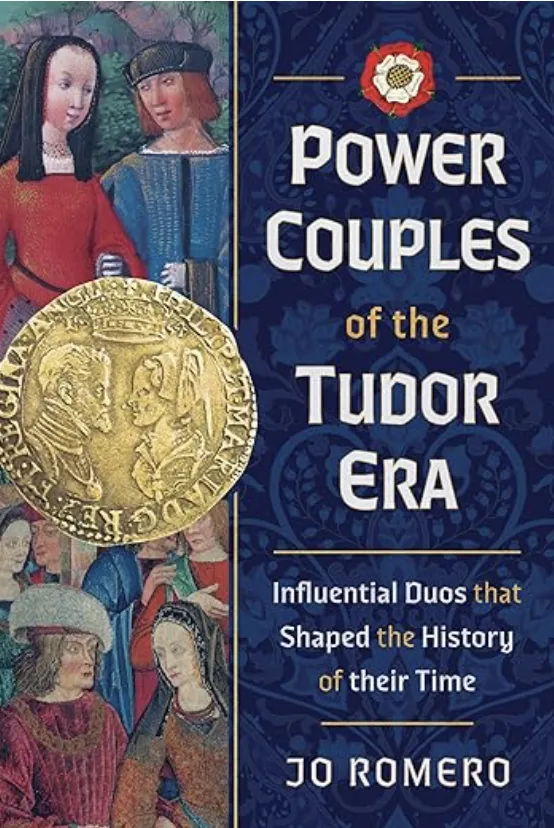
Power Couples of the Tudor Era by Jo Romero
Step into the dazzling yet perilous world of Tudor England, where power was often a shared endeavour, and the most influential players were not always those who stood alone. In Power Couples of the Tudor Age, Jo Romero uncovers the remarkable stories of the dynamic duos whose partnerships shaped the course of English history.
From the legendary marriage of Henry VIII and Katherine of Aragon, which set the stage for England's religious transformation, to the political machinations of Elizabeth I and Robert Dudley, these couples navigated the treacherous waters of court intrigue, international diplomacy, and personal ambition. Some stood together against the rising tides of reform, while others united to end wars and forge new dynasties.
These couples wielded their influence in ways that changed not only their own lives but the future of the realm. Their stories reveal the intricate dance of love, power, and survival. Power Couples of the Tudor Age brings to light the incredible contributions of these figures, offering a fresh perspective on the partnerships that forged a nation.
Time Period: 16th century
Primary Location: England
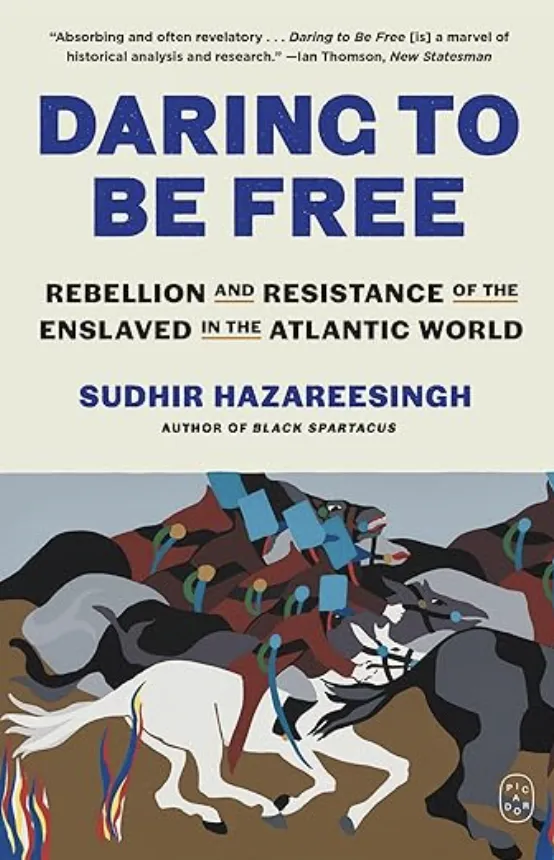
Daring to Be Free: Rebellion and Resistance of the Enslaved in the Atlantic World by Sudhir Hazareesingh
In the 1720s, the West African chief Tomba was abducted for organizing the local resistance against slave raiders and imprisoned on a British ship, where he promptly led a revolt using a smuggled hammer. In the early nineteenth century, a pregnant woman named Solitude rallied laborers and soldiers to resist Napoleon’s efforts to reimpose slavery on Guadeloupe. A few decades later, Frederick Douglass fashioned his own template for self-emancipation. In Daring to Be Free, the acclaimed historian Sudhir Hazareesingh recasts the story of slavery’s end by showing that the enslaved themselves were at the center of the action―their voices, their resistance, and their extraordinary fight for freedom.
Throughout, Daring to Be Free portrays the struggle for liberation from the perspective of the enslaved and, wherever possible, in their own words. It highlights the power of collective action, stressing the role of maroon communities, conspiracies, insurrections, and spiritual movements, from Haiti and Brazil to Cuba, Mauritius, and the American South. These acts of resistance involved entire communities, with women often at the heart of the story as warriors, organizers, and agents of radical change.
Employing written archives and oral history, Daring to Be Free shows how the struggle for freedom was shaped less by Western Enlightenment or Christian ideals than by the enslaved’s own spiritual, martial, and cultural resources. Emancipation wasn’t handed down by benevolent reformers―it was seized, again and again, by those who demanded freedom. This vital, eye-opening history reclaims abolition for those who fought to liberate themselves.
Time Period: 18th–19th centuries
Primary Location: France
1929: Inside the Greatest Crash in Wall Street History--and How it Shattered a Nation by Andfrew Ross Sorkin
In 1929, the world watched in shock as the unstoppable Wall Street bull market went into a freefall, wiping out fortunes and igniting a depression that would reshape a generation. But behind the flashing ticker tapes and panicked traders, another drama unfolded—one of visionaries and fraudsters, titans and dreamers, euphoria and ruin.
With unparalleled access to historical records and newly uncovered documents, New York Times bestselling author Andrew Ross Sorkin takes readers inside the chaos of the crash, behind the scenes of a raging battle between Wall Street and Washington and the larger-than-life characters whose ambition and naïveté in an endless boom led to disaster. The dizzying highs and brutal lows of this era eerily mirror today’s world—where markets soar, political tensions mount, and the fight over financial influence plays out once again.
This is not just a story about money. 1929 is a tale of power, psychology, and the seductive illusion that this time is different. It’s about disregarded alarm bells, financiers who fell from grace, and skeptics who saw the crash coming—only to be dismissed until it was too late.
Time Period: 1929–1930s
Primary Location: New York City, United States
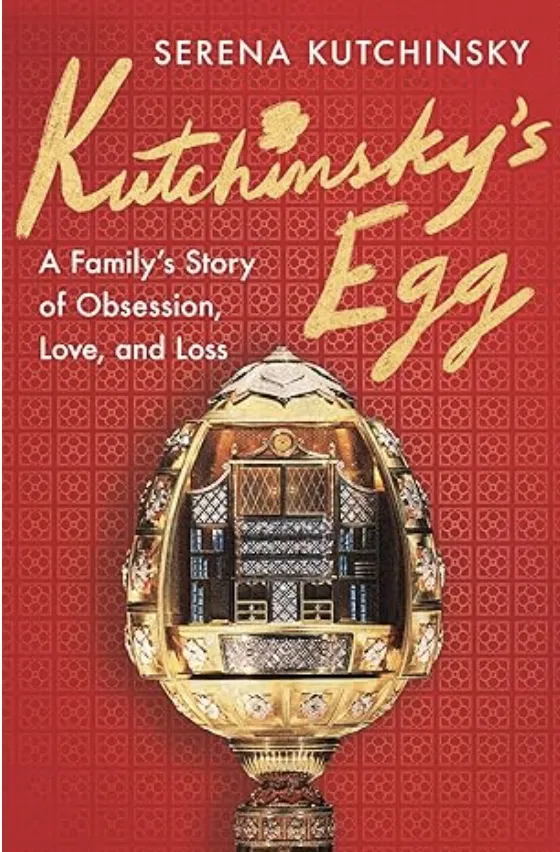
Kutchinsky’s Egg: A Family’s Story of Obsession, Love, and Loss by Serena Kutchinsky
When she was eleven years old, Serena Kutchinsky’s life changed forever. Her father Paul, who owned the high-end jewelry company the House of Kutchinsky, set out to create the world’s largest jeweled egg—one to rival Fabergé’s masterpieces. He succeeded, but at a ruinous price.
The Argyle Library Egg was astonishing: two feet tall, made of solid gold, and dripping with pink diamonds. But when Paul was unable to secure a buyer, the House of Kutchinsky collapsed, his marriage fell apart, and he sank into a spiral of drink and drugs. Within ten years he was dead. As for the egg, it was seized by business partners and disappeared without a trace.
Over time, the mystery of the egg began to eat away at Serena. Why did her father risk everything for the pursuit of this audacious dream? And where in the world was his extravagant, ill-fated creation, which had been lost for decades and was estimated to now be worth more than £30 million. Desperate for answers, she set out in search of the egg—and an elusive understanding of her late father. The journey begins in the slums of London’s East End where her great-great-grandparents arrived as Jewish immigrants from Russia—and ends in the most unexpected of places.
Echoing the intimacy of The Hare with Amber Eyes, Kutchinsky’s Egg is a spellbinding historical mystery that explores the glittering yet shadowy world of high-end jewelry, the rise and fall of a family empire, and the complex bond between a father and daughter.
Time Period: 20th century–modern day
Primary Location: London, England
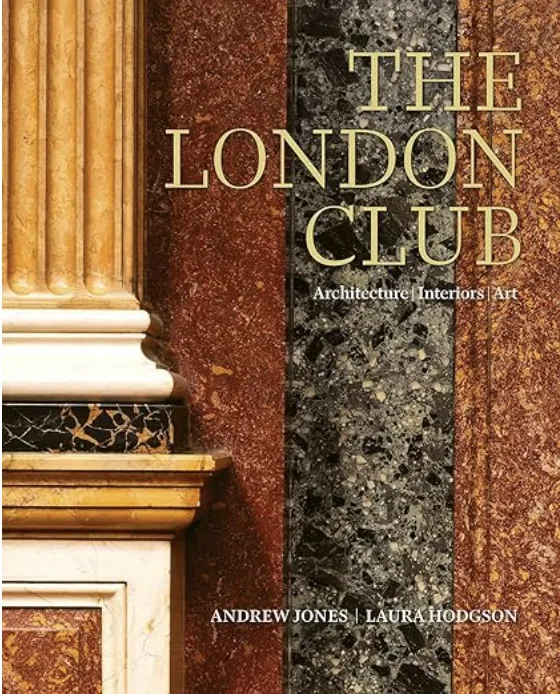
The London Club: Architecture, Interiors, Art by Andrew Jones (Author), Laura Hodgson (Photographer)
London has more members’ clubs than any other city. There are clubs for everyone: from actors, plutocrats, aristocrats and bishops to sailors, soldiers, fishermen and spies, as well as journalists, jockeys, architects and æsthetes.
Andrew Jones opens the door to 46 of the most beautiful, interesting and unusual of these clubs, presenting 300 years of architecture and design. The London Club features the oldest clubs in London as well as the most recent, with perfectly preserved interiors, original furniture and extraordinary collections. From bohemian to bling, shabby to chic, classical and brutal, this is a celebration of variety and beauty, with newly commissioned photographs by Laura Hodgson.
Time Period: 18th century–modern day
Primary Location: London, England
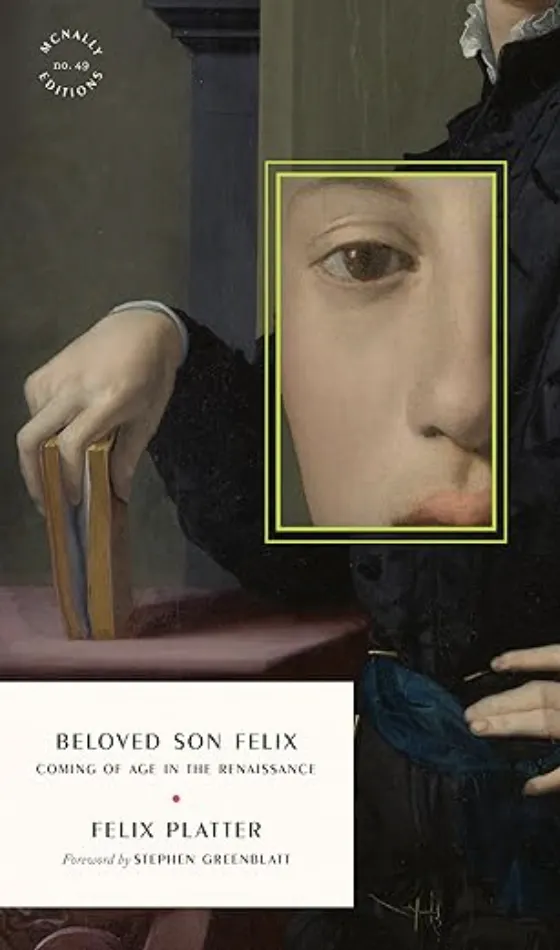
Beloved Sun Felix by Felix Platter, tr. Seán Jennett
The wildly vivid, rare, and revealing journals of a sixteenth-century medical student.
In 1552, sixteen-year-old Felix Platter left Basel, Switzerland, and journeyed 370 miles to Montpelier, France to study medicine. His journals chronicle five astonishing years of youth in a time of plague, war, and awakening. A Protestant in a Catholic kingdom, Felix witnessed blood-chilling executions and engaged in secret religious discussions with his landlord, a Marrano Jew. He learned to play the lute, tasted olive oil for the first time, and swam in the sea. He flirted (unsuccessfully) and danced (disastrously), fled from highway robbers, saw John Calvin preach, survived an outbreak of the bubonic plague, joined in a massive, orange-throwing food fight, acquired a dog, and spent one Christmas Eve alone and afraid of the dark.
Most astonishing of all, he wrote it down.
Time Period: 16th century
Primary Location: Basel, Switzerland
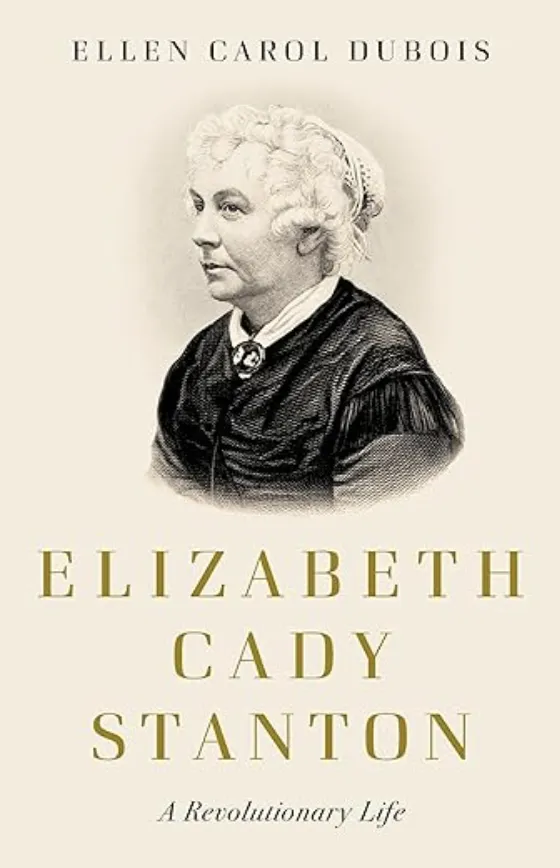
Elizabeth Cady Stanton: A Revolutionary Life by Ellen Carol DuBois
Elizabeth Cady Stanton was a singular leader, thinker, and organizer whose fight for women’s emancipation stretched from the 1840s to her death in 1902, a full fifth of America’s history. Yet her legacy has been marked by controversy. In this landmark biography, eminent historian Ellen Carol DuBois paints a fresh portrait of this complex crusader whose tireless work made contemporary feminism possible.
Born in 1815 into a family deeply marked by the tumult of the American Revolution and surging evangelicalism, Stanton was captivated by Enlightenment ideas about individual freedom and transformed by early experiences in what she called “the school of antislavery.” Though most remembered for her fight for the vote, she was also an early crusader for women’s reproductive autonomy and reforming the institution of marriage, and against Christianity’s subordination of women. Her rifts with Black reformers and embrace of nativist ideas tarnished her reputation, but her words still have the ability to move and agitate people today.
Building upon exhaustive archival research and a deep engagement with Stanton’s copious writings, Elizabeth Cady Stanton brilliantly captures a crucial reformer in all of her intelligence, moral ambiguity, and power.
Time Period: 19th century
Primary Location: New York, USA
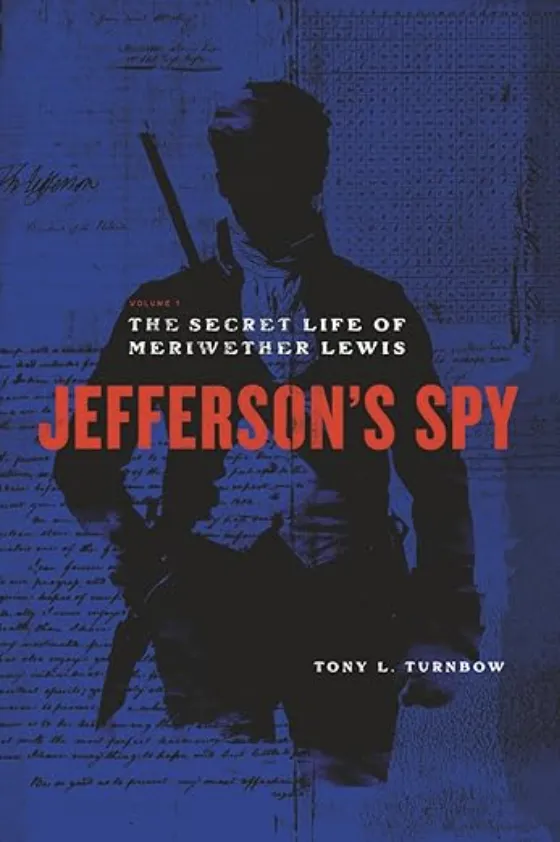
Jefferson's Spy: The Secret Life of Meriwether Lewis by Tony L. Turnbow
Meriwether Lewis, co-leader of the Lewis and Clark Expedition, was one of the few men Jefferson chose to perform spy work or “secret services” as it was called at the time. Jefferson propelled Lewis’s rise from a Charlottesville, Virginia farm, to a residence in the East Room of the White House, and then to a 3,500-mile intelligence-gathering expedition into the unknown across the Rockies to the Pacific. Lewis and his co-captain, William Clark, returned to become two of the first American popular heroes.
But Jefferson’s next mission for Lewis would prove a challenge he would not overcome. The work to take Spanish-controlled Texas and Santa Fe entangled Lewis in shadowy networks of spies, assassins, and assorted villains along the enemy border. Lewis died carrying sensitive information to Washington on a road so dangerous it was known as “The Devil’s Backbone.” Though it was claimed that Lewis shot himself two or three times, cut his own throat, and slit his wrists to the bone, Jefferson was informed—and apparently accepted—that Lewis killed himself. Three decades later, a state commission concluded that it was more likely Lewis died at the hands of an assassin.
Time Period: Early 19th century
Primary Location: Washington DC, USA
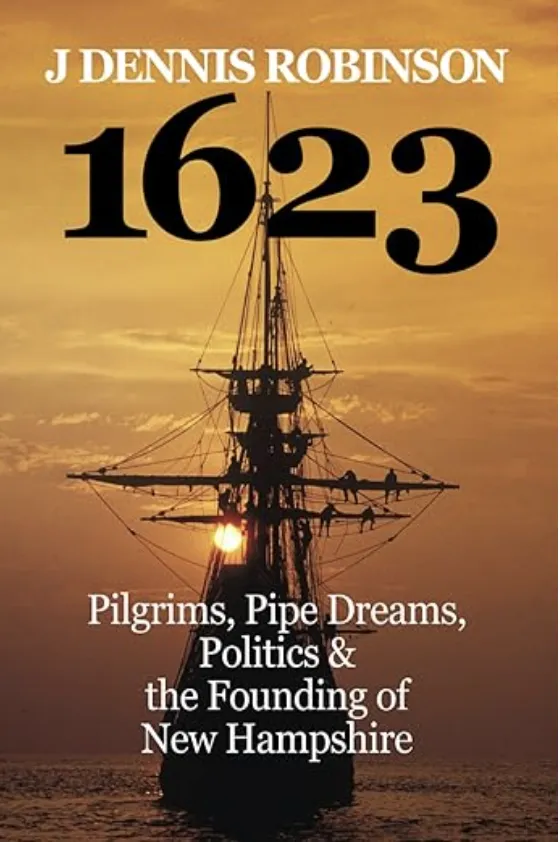
1623: Pilgrims, Pipe Dreams, Politics & the Founding of New Hampshire by J. Dennis Robinson
Shrouded in myth, mystery, and misinformation, the true story of New Hampshire's founding family has never been fully told–until now. Why do we know so little about David and Amias Thompson of Plymouth, England? And why is what we think we know so often wrong? Barely three years after the Mayflower landed in Massachusetts, a wholly different plan for America was in play. Popular journalist J. Dennis Robinson exhumes the facts and connects the dots to reveal a forgotten journey that will challenge your perception of how New England was born.
Time Period: Early 17th century
Primary Location: New Hampshire, USA
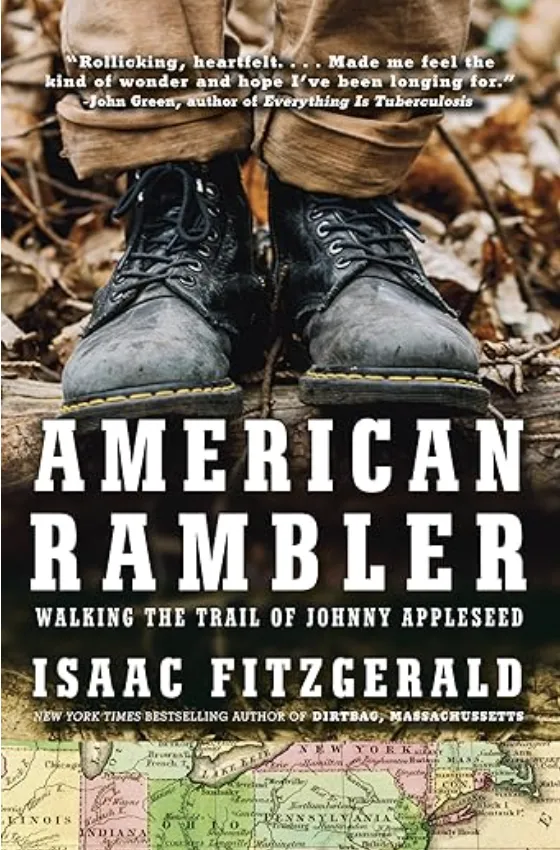
American Rambler: Walking the Trail of Johnny Appleseed by Isaac Fitzgerald
As a child, Isaac Fitzgerald was captivated by Johnny Appleseed, drawn to the legend by family ties, his father’s larger-than-life stories, and a shared restlessness to leave home and discover what lay beyond.
In American Rambler, he sets out on a year-long journey to follow Appleseed’s path, walking (okay, sometimes driving, and at one point, even floating downstream) from Massachusetts to Indiana. On this journey, Fitzgerald turns a childhood fascination into a profound reckoning of loss and grief, ritual and faith, grimy gas station bathrooms and scenic apple picking. He is followed by a mysterious creature, camps in hostile environments, trespasses more than once, and is warmed by the generosity of strangers at every turn.
A moving blend of memoir, history, and travelogue, American Rambler is at once an ode to the American heartland, a meditation on escaping the breakneck pace of modern life, and a clear-eyed look at the myths—often violent, sometimes hopeful, frequently romanticized—at the very core of American identity and history.
Time Period: 19th century–modern reflection
Primary Location: Ohio, USA
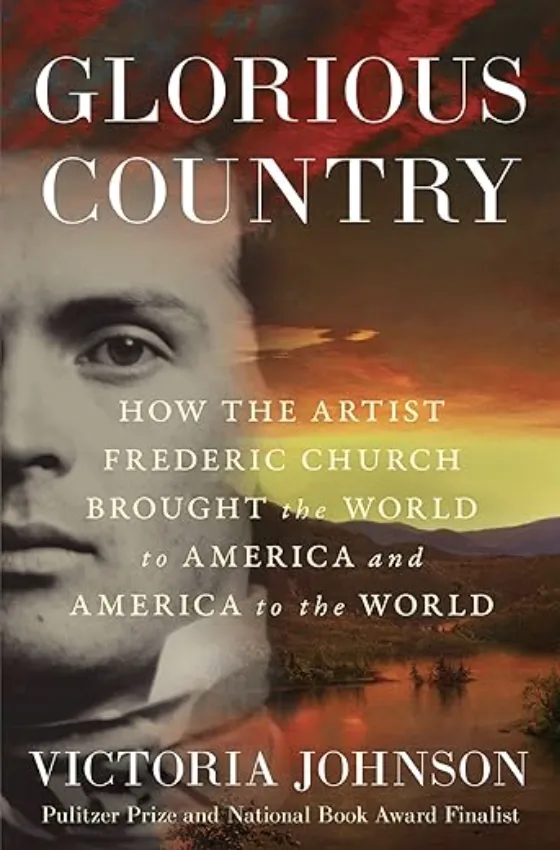
Glorious Country: 19th Century Landscape Painter Frederic Church by Victoria Johnson
New York, spring 1859. Outside Frederic Church’s Tenth Street studio, men and women amassed by the thousands hoping for a glimpse of his magnificent Heart of the Andes: a painting whose sublime, ‘near supernatural’ rendering of the vast Andean landscape encountered on the artist’s recent travels introduced thousands of Americans to the fierce, majestic beauty of the far-flung wildernesses of the globe.
Frederic Church brought the world to America, and America into the world. Cementing the United States as a cultural and artistic force a full century before America’s Abstract Impressionists rose to prominence, Church’s bold paintings composed odes in color, shadow, and light to natural places near and far: the lush jungles of South America and immense icebergs of Newfoundland where he journeyed as a young man; the Syrian deserts and ancient, ruined cities where he and his wife traveled following the devastating loss of their two young children; the verdant, luminous valley around the Hudson where Church first studied painting and where he returned and established his estate, Olana, whose landscape itself became a work of art. Deeply influenced by the work of Alexander von Humboldt, Church conjured a vision of the natural world as a place of communion with creation.
Church charted, across the latter half of the 19th century, a career that both inhabited and gave shape to the artistic, cultural, and political crosscurrents of his day. Through a close examination of Church's letters, sketches, paintings, and diaries, and traveling in Church's footsteps to Egypt, the Andes, Petra, Jamaica, and Jerusalem, Johnson traces the path not only of one man’s life, but of a country swept up in an era of vast and vertiginous change. Church worked and lived in New York in the city’s formative years. He was a founder of its first great museum, the Met, and in paintings, not in words, he conveyed his passion for the exquisite natural beauty of the United States, but also for a Union free of slavery. He gave Americans visions of the majesty of their own new country and of the wonders of worlds only to be seen in paintings by this astonishing adventurer and artist. Church was a master artist and innovator, turning landscape painting into a portrait of a nation, and in the process, putting American art on the map of the world. Glorious Country is a book, Johnson writes, “about how we see and what we save.”
Time Period: 19th century
Primary Location: New York, USA
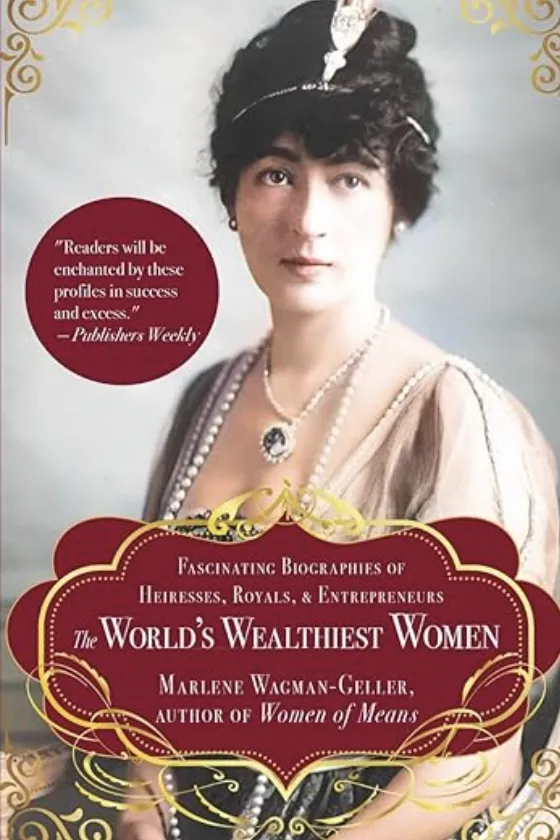
The World's Wealthiest Women: Fascinating Biographies of Heiresses, Royals, Entrepreneurs, and Entertainers by Marlene Wagman-Geller
Where wealth meets destiny, tragedy often follows.
Heiresses have always dazzled with their unimaginable wealth, the cornucopia of fortune spilling opportunity at their feet. Yet, The World’s Wealthiest Women reveals through intimate historical biographies that the fates of these women were often woven with threads of tragedy by the weaving sisters of destiny.
Gilded cages or golden destinies? Whether these women amassed their billions through inheritance, marriage, or sheer ambition, their vast fortunes shaped lives that were anything but ordinary.
Time Period: Various periods
Primary Location: London, England

Hidden Wonders of the World: Seek and Find Puzzles Featured Iconic Locations by Blake Gore
Embark on a mesmerizing journey through Hidden Wonders of the World, a one-of-a-kind seek-and-find book featuring 20 intricately detailed artworks inspired by the world’s most iconic travel destinations. Created by renowned miniature artist Blake Gore, each scene is a masterpiece of hidden surprises, challenging your eyes and mind while transporting you across the globe.
From the bustling streets of Tokyo to the serene canals of Venice, every page invites you to explore breathtaking locations packed with tiny secrets waiting to be discovered. Whether you’re hunting for a mischievous monkey in the Amazon or a lost passport in Paris, Hidden Wonders transforms sightseeing into a game of discovery.
Perfect for puzzle lovers, travel enthusiasts, and art aficionados alike, this beautifully illustrated book is a celebration of wanderlust and wonder. The book also includes a beautifully crafted, wooden camera-shaped magnifying glass for an extra layer of fun.
Time Period: Various periods
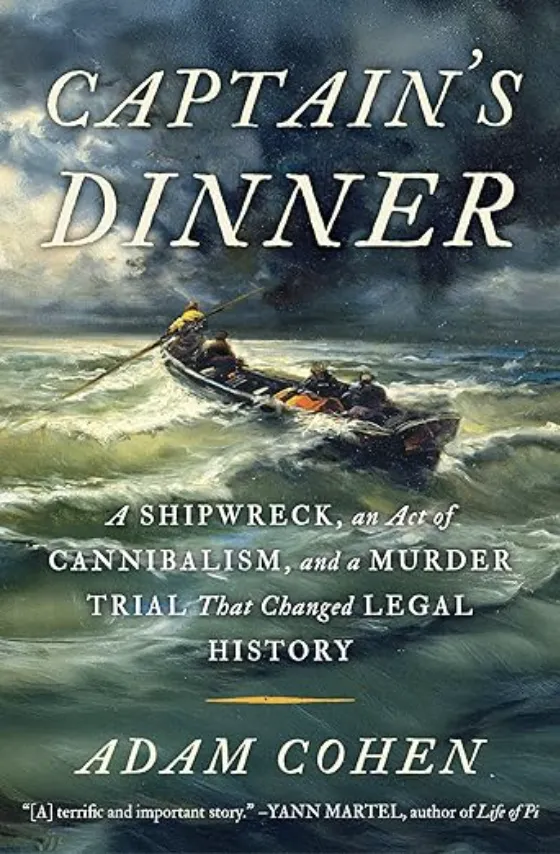
Captain’s Dinner: A Shipwreck, an Act of Cannibalism, and a Murder Trial That Changed Legal History by Adam Cohen
Four men in a lifeboat. Two weeks without food. One impossible choice that would reshape the boundaries between survival and murder. “A perfect enunciation of the classic philosophical conundrum: can you sacrifice one innocent life to save many?" (Yann Martel, author of Life of Pi)
On May 19, 1884, the yacht Mignonette set sail from England on what should have been an uneventful voyage. When their vessel sank in the Atlantic, Captain Thomas Dudley and his crew found themselves adrift in a tiny lifeboat. As days turned to weeks, they faced an unthinkable choice: starve to death or resort to cannibalism.
Their decision to sacrifice the youngest—17-year-old cabin boy Richard Parker—ignited a firestorm of controversy upon their rescue. Instead of being hailed as heroes and survivors, Dudley and his crew found themselves at the center of Regina v. Dudley and Stephens, a landmark murder trial that would establish the legal precedent that necessity cannot justify murder—a principle that continues to shape Anglo-American law today.
Time Period: 19th century
Primary Location: United Kingdom
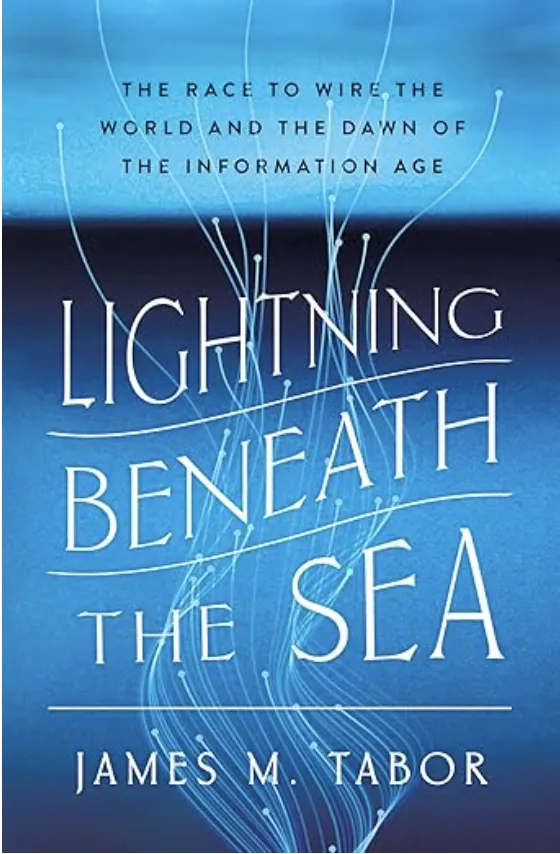
Lightning Beneath the Sea: The Race to Wire the World and the Dawn of the Information Age by James M. Tabor
In 1854, the American entrepreneur Cyrus Field set out to lay a 2,000-mile telegraph cable across the bottom of the Atlantic Ocean. Nothing like it had ever been attempted. Field knew nothing about telegraphy, electricity, ships, or oceans, and science itself still lacked a universal theory of electricity. But he believed that wiring the world for near-instantaneous communication would bring about peace on Earth. In 1866, after enduring over a decade of global scorn, catastrophic failures, staggering losses, and brushes with death, he would finally lay his great cable, ushering in the global information age. From acclaimed author James M. Tabor, Lightning Beneath the Sea is an unforgettable tale of radical vision, unwavering determination, and triumph against overwhelming odds that transformed life on Earth forever.
In a propulsive narrative, Tabor tells how Field swiftly assembled an all-star scientific dream team that included telegraph legend Samuel F. B. Morse; a young Lord Kelvin, called the da Vinci of his day; Michael Faraday, the father of electrical engineering; and legendary philanthropist Peter Cooper. Together they battled epic storms, freak accidents, corporate sabotage, the enmity of Abraham Lincoln, and the hubris of the project’s original chief electrician―an eccentric who insisted on being called Wildman―while racing two rival efforts to establish telegraphic communications between continents. When it was finally done, Field’s cable lay up to 2.5 miles deep under the ocean, and the London Daily News announced: “Time and space seem literally annihilated.” The cable’s legacy can be traced today in the hundreds of descendants that still carry 98 percent of the world’s information through a “world undersea web.”
Time Period: 19th century
Primary Location: Atlantic Ocean
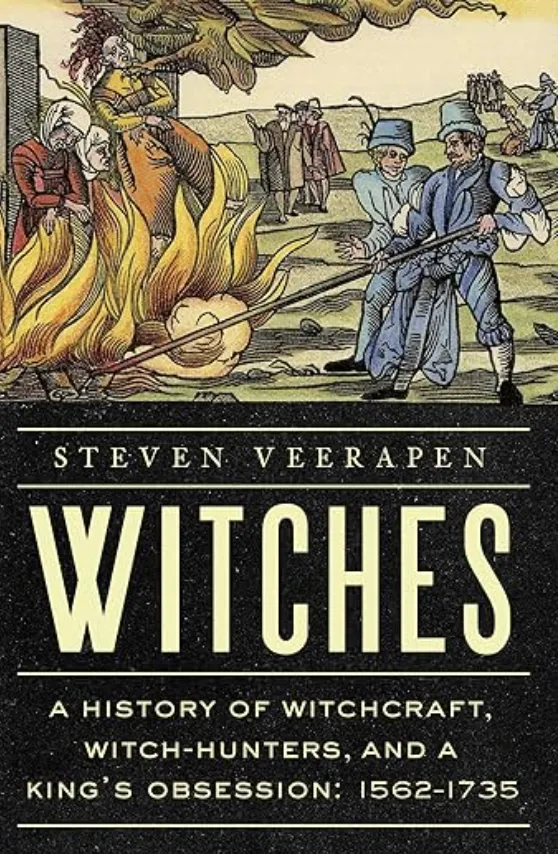
Witches by Steven Veerapen
A vivid history of witches from the explosion of trials under King James VI to the end of the witch-hunting phenomenon in the early 1700s.
Witches—whether broomstick-riding spell-casters or Wiccan earth-worshippers—have been culturally relevant for centuries. For centuries, too, belief in the potency of witchcraft has been debated; accused witches have been hunted and punished; and film productions have brought the witch and the witch-hunter to the heights of popular culture.
But where did our perception of witches—good and bad—come from? What motivated wide-scale panics about witchcraft during certain periods? How were alleged witches identified, accused, and variously tortured and punished?
Steven Veerapen traces witches, witchcraft, and witch-hunters from the explosion of mass-trials under King James VI and I in the late sixteenth century to the death of the witch-hunting phenomenon in the early eighteenth century. Based on documents and the latest historical research, he explores what motivated widespread belief in demonic witchcraft throughout Britain and Europe, what caused mass panics about alleged witches, and what led, ultimately, to the relegation of the witch—and the witch-hunter—to the realm of fantasy and the fringes of society.
Time Period: 16th–17th century
Primary Location: Scotland
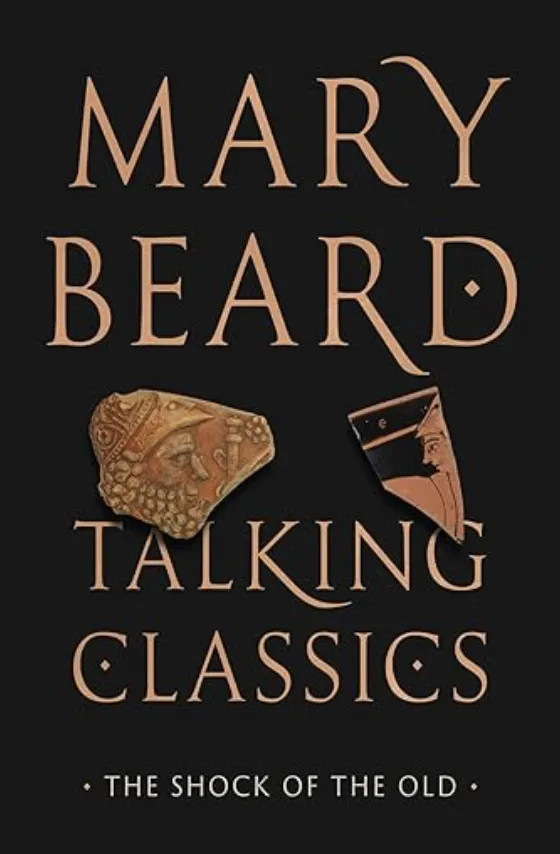
Talking Classics: The Shock of the Old by Mary Beard
The incomparable Mary Beard is back, and she’s talking all things classics.
Why the ongoing fascination with the ancient world? This witty, approachable book asks why—for better or (sometimes) worse—antiquity continues to exert such a powerful hold on the contemporary imagination. Recalling a formative childhood encounter with a four-thousand-year-old piece of bread in a museum, Beard introduces the idea of thauma, or wonder, that kick-started a lifetime engaging with classics. It was not the canonical “greats” of ancient literature and art that initially drew her in, she confesses, but rather the more intimate, messy, and humdrum evidence of daily life in the remote past.
Confronting the uses and abuses of symbols of the ancient world, Beard reminds us that the traditions and “masterpieces” of Greece and Rome have certainly been politicized, but they belong to neither the left nor the right. Happily, no one owns the past. She warns us not to let a sense of reverence or overfamiliarity dampen the “shock of the old,” arguing that one of the most important things that classics teach us is how to grapple with complicated and controversial things. “The Greeks and Romans are long dead, they cannot answer back, and you can say what you like about them,” she reminds readers. “The simple fact that classics belong to none of us can offer a safe space to argue about the most difficult debates we face now.”
Beard welcomes everyone into classics. “It is not compulsory to be excited by the ancient world,” she writes. “But it can be a shame not to be.” This charming, sharp, and readable book from one of the world’s most entertaining classicists offers something for both new and established fans of classics, bringing new wonder and curiosity to even the most ancient of ideas.
Time Period: Ancient Greece & Rome–modern analysis
Primary Location: Rome, Italy
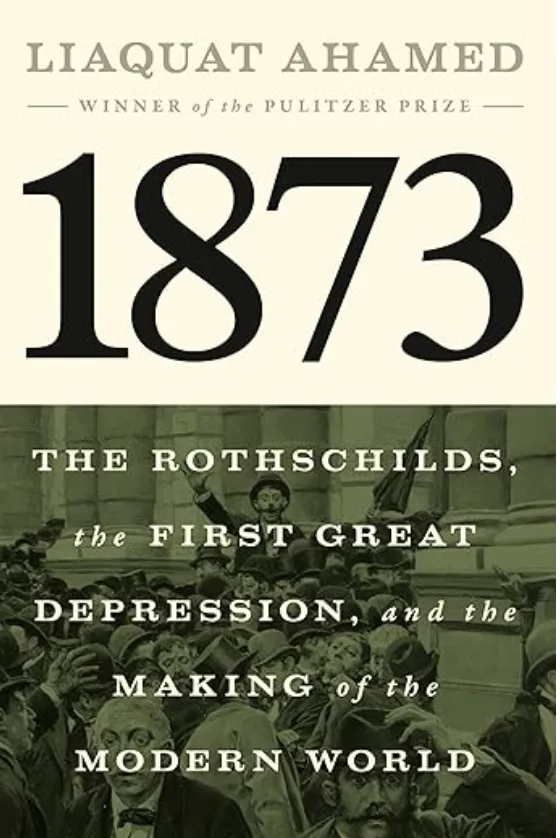
1873: The Rothschilds, the first great depression and the making of the modern world by Liaquat Ahamed
Over the course of the 1850s and 1860s, during the first era of globalization, the world experienced an unprecedented economic boom. Fueling this expansion was an explosion in the global bond market, at the hub of which stood one family—the Rothschilds, arguably the wealthiest banking family in history. While the giant sums of capital provided through the bond market built the railroads, the century’s most transformative investments, the money raised also unleashed a frenzy of speculation, massive overinvestment, and wasteful borrowing by governments.
With excessive euphoria leading to disappointed expectations, in the early 1870s the bubble burst. Stock markets from Vienna to New York crashed, and dozens of railroads and many governments defaulted. Financial officials responded by blundering into a precipitous remaking of the global currency system—exacerbating the ensuing economic collapse and setting the stage for decades of a punitive deflation that sparked waves of anti-globalist populism. As Liaquat Ahamed shows us in this enthralling history, the crisis of 1873 was, among other things, a death blow to Reconstruction in the United States and the proximate cause of the Ottoman Empire’s slow death spiral. Ironically, though the Rothschilds had presciently kept a low profile during the bubble, when the deluge came, they were viciously scapegoated as part of a wider hatred directed at “Jewish finance,” a strain of antisemitism that would come to full evil flower during the twentieth century.
1873 is a bird’s-eye reckoning with the full dimension of the crisis, from its buildup to its long aftermath. The Rothschilds and a cast of other witnesses give us the human perspective. And we have a brilliant financial historian’s grasp of the larger forces at play, resulting in a global narrative with thrilling explanatory power.
Time Period: 19th century
Primary Location: London, England
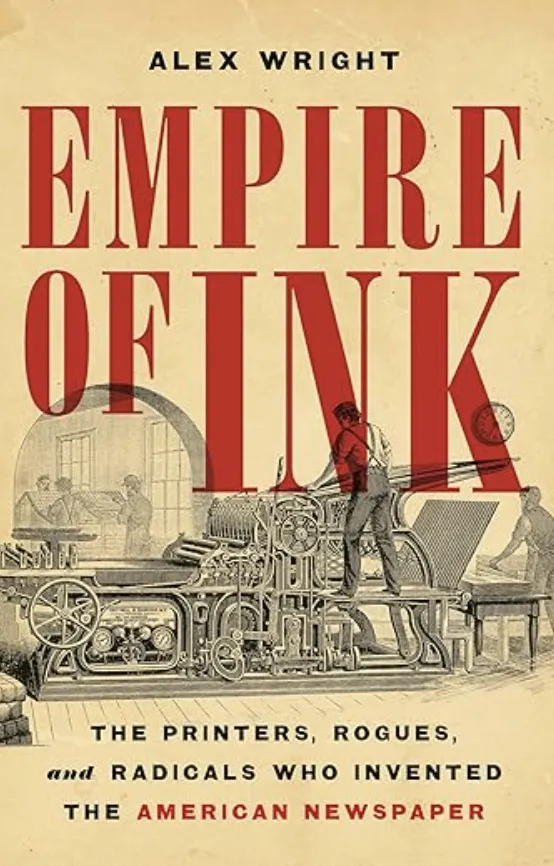
Empire of Ink: The Printers, Rogues and Radicals Who Invented The American Newspaper by Alex Wright
No society had ever generated so much ink and paper in so little time. Between the Revolutionary War and the dawn of the twentieth century, the number of American newspapers increased five hundredfold. In Empire of Ink, Alex Wright tells the story of how an unruly young democracy found its voice—shaped by the interplay of new technologies, bold public policies, and a distinctly American zeal for free expression that unleashed the greatest outpouring of print the world had ever seen.
It was a wild, boisterous time—populated by gunslinging editors, tramp printers, zealous reformers, brilliant inventors, and literal snake-oil salesmen. Together, they transformed journalism, built a new industry, and helped forge the nation’s character. By century’s end, this freewheeling press had begun to give way to news syndicates, wire services, and corporate interests. Wealthy media barons seized on new technologies and economies of scale to consolidate power—shaping the mass media that would define the twentieth century.
Vividly bringing a pivotal chapter in American history to life, Empire of Ink reveals how the nation’s age-old struggles over truth, technology, and power continue to echo into today’s digital age.
Time Period: 18th century
Primary Location: Philadelphia, USA
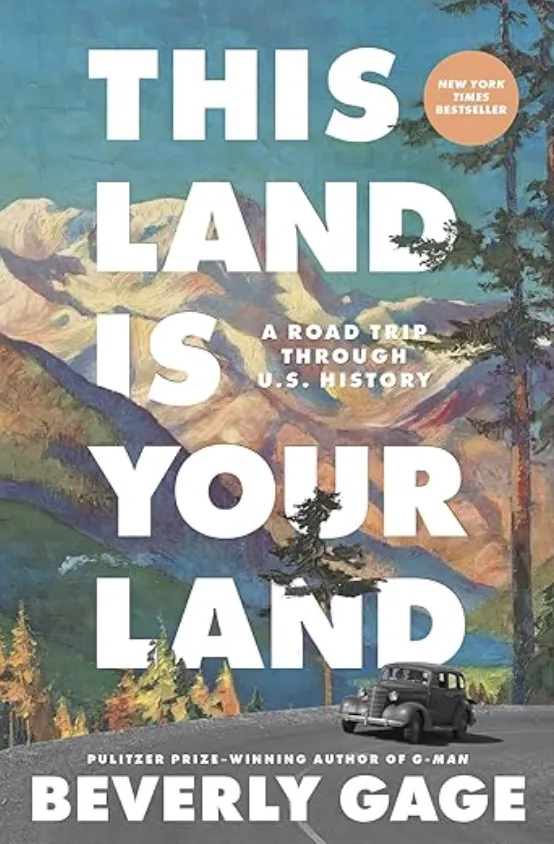
This Land is Your Land by Beverly Gage
Ride along with Pulitzer Prize–winning historian Beverly Gage as she travels the country to see the museums, historic sites, roadside attractions, reenactments, and souvenir shops where Americans learn—and fight—about our history. From the birth of the nation in Philadelphia to Disneyland and the California dream, This Land Is Your Land offers a guided tour of thirteen places and thirteen key moments that define America’s greatest successes and challenges.
The year 2026 marks the 250th anniversary of the Declaration of Independence, a document that proclaimed the liberty and equality of all human beings, but produced a country that often failed to agree upon—or live up to—those ideals. This Land Is Your Land is for everyone who wants to find that history—to experience it and confront it, to celebrate it and condemn it—in the places where it happened.
Gage shows that Americans can face their past and still love their country. Toss the book in the back seat—or listen on audio with the windows down—and join the journey.
Time Period: 20th century
Primary Location: Washington DC, USA